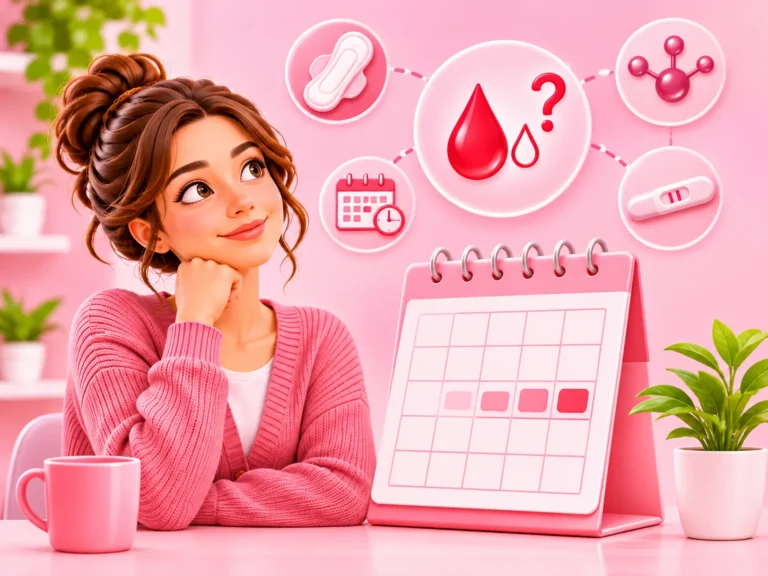
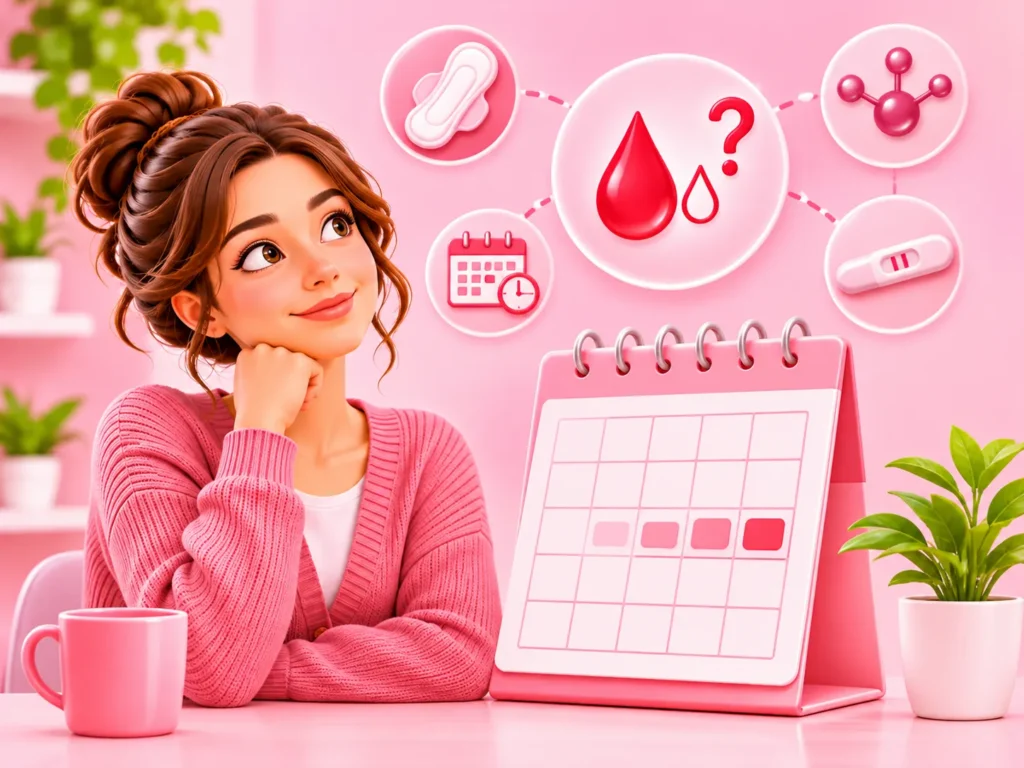
Why is my period so light? If you’ve got your period but barely see any blood, you may notice that your pad stays almost clean or your flow is much lighter than last month. A light period can happen because of natural cycle changes, stress, weight changes, hormonal birth control, and other factors. One unusual cycle does not tell you exactly what’s happening, but repeated changes deserve attention.
Could it be related to your hormones, a recent lifestyle change, or pregnancy? Understanding your cycle and noticing changes in your flow can help you identify what’s normal and when to seek medical advice. Here’s what to look for.
What Is Considered a Light Period?
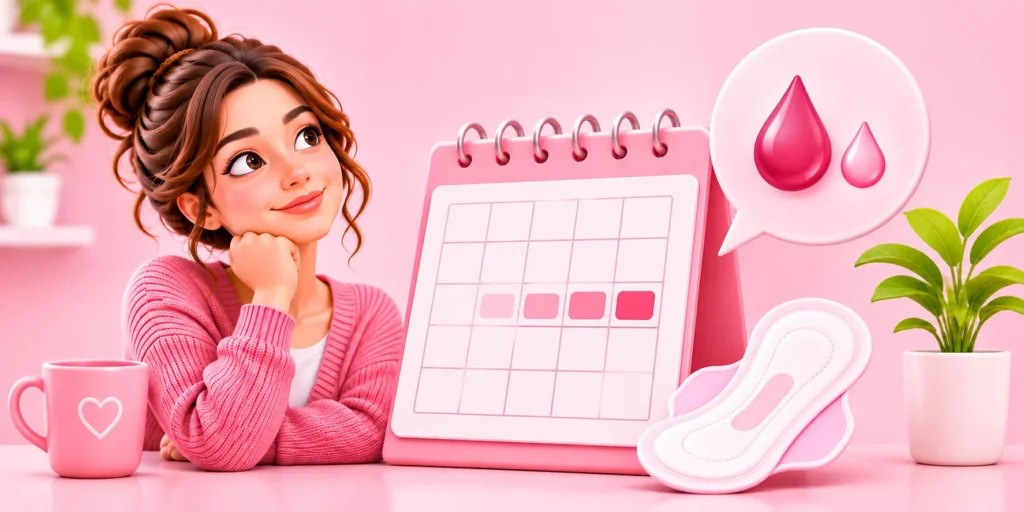
A light period means you have less menstrual bleeding than you normally experience. You might use fewer pads or tampons, notice only a small amount of blood when wiping, or finish your period sooner than expected.
Your usual menstrual pattern matters here. Someone who has always had a light flow may have a perfectly normal cycle, while someone who suddenly starts bleeding much less may have a change worth looking into.
Signs Your Period May Be Lighter Than Usual
- Your pad or tampon has much less blood than in previous cycles.
- You see only a few spots on your underwear.
- Blood appears mainly when you wipe.
- Your period lasts fewer days than it normally does.
- Your usual flow has become very light or almost absent.
A light flow can also change from day to day. You might see very little blood on the first day, followed by a slightly heavier flow on the second day.
The medical term hypomenorrhea describes menstrual bleeding that is unusually light for a person. A healthcare professional considers your usual cycle and how long the change has lasted when assessing it.
Is It Normal to Have a Light Period?
Yes. An occasional light period can be part of normal menstrual variation. Your flow may change from one cycle to another as your hormones, routine, and overall health change.
For example, you might have a lighter period after a stressful month or notice a different bleeding pattern after starting hormonal contraception. Your period can also change with age.
The difference worth watching is whether the change keeps happening. A single lighter cycle may settle on its own. If your periods remain much lighter than usual, become irregular, or stop arriving, arrange a medical review.
Why Is My Period So Light This Month? 7 Possible Causes
Your menstrual flow depends partly on the hormones that regulate ovulation and the uterine lining. Changes in these processes can affect how much bleeding you notice.
1. Natural Changes in Your Menstrual Cycle
Your period may be lighter simply because this cycle is different from the last one.
The timing of ovulation and changes in reproductive hormones affect how the uterine lining develops. That lining sheds during your period, so changes in the cycle can affect the amount of bleeding.
You might notice a lighter flow one month, then return to your usual pattern in the next cycle. If the change happens once and your periods return to normal, it may have been a temporary variation. Repeated changes are worth discussing with a healthcare professional.
2. Stress and Sleep Changes
A demanding month can affect your menstrual cycle. Stress influences the brain signals involved in regulating reproductive hormones, which can affect ovulation and the timing of your period.
Think about whether anything changed recently. Perhaps you have been sleeping poorly, dealing with work pressure, travelling, or going through a difficult time at home.
Some people notice a lighter period during stressful periods. Others experience a late, irregular, or missed period. If your cycle changes alongside prolonged stress, make a note of it. A healthcare professional can help assess the change, especially when it continues.
3. Weight Loss, Diet, and Excessive Exercise
Your body needs enough energy and nutrition to support normal reproductive functions. Rapid weight loss, restrictive eating, or a sudden increase in exercise can affect the hormones involved in ovulation.
- Lose a considerable amount of weight in a short time.
- Follow a very restrictive diet.
- Exercise intensely without enough recovery.
- Regularly eat less than your body needs.
Low energy availability can disrupt reproductive hormone signals. Your period may become lighter, irregular, or stop for a while.
A change in menstrual flow after weight loss or intense exercise deserves attention. Avoid extreme dieting or adding even more exercise to fix it. Discuss the change with a healthcare professional.
4. Hormonal Birth Control and Medication
Have you recently started birth control or changed your contraception? That could help explain why your period is lighter.
Some hormonal contraceptives reduce the thickness of the uterine lining. When less lining builds up, there may be less bleeding during the scheduled break or between doses.
- Hormonal birth control pills.
- Hormonal injections.
- Hormonal intrauterine systems.
- Some other progestin-based contraceptives.
Emergency contraception, such as Plan B, can also shift the timing of your next period. You may notice earlier or later bleeding, along with a temporary change in flow.
A copper IUD has different effects from hormonal contraception, so the type of birth control matters. Don’t stop prescribed medication or change contraception on your own. Ask your healthcare professional what bleeding pattern to expect from your method.
5. Hormonal Conditions That Affect Your Menstrual Cycle
Some health conditions affect ovulation or the hormones that regulate the uterine lining. This can change how often your period arrives and how much you bleed.
PCOS (polycystic ovary syndrome)
PCOS can affect ovulation and lead to irregular or missed periods. Some people experience changes in menstrual flow as well as acne, increased facial hair, or weight changes. A light period alone cannot confirm PCOS. A healthcare professional considers your cycle history and other symptoms before making a diagnosis.
Thyroid problems
Your thyroid helps regulate metabolism and interacts with the body’s hormone systems. An overactive or underactive thyroid can affect menstrual patterns. You may notice lighter bleeding alongside other changes, such as tiredness, changes in weight, or feeling unusually hot or cold.
If your periods have changed and you have other unexplained symptoms, discuss them with a healthcare professional.
6. Breastfeeding and Postpartum Changes
Your menstrual cycle may take time to settle after childbirth. Breastfeeding can also affect when your periods return.
The hormone prolactin supports milk production and can influence ovulation. During breastfeeding, some people have no periods for a while. Others notice irregular or lighter bleeding when their cycles begin again.
Your first few periods after giving birth may differ from your pre-pregnancy pattern. Flow and timing can change as your body adjusts.
A postpartum change should still be discussed with your healthcare professional when it concerns you, particularly when bleeding comes with pain, fever, or other unusual symptoms.
7. Perimenopause and Age-Related Changes
Perimenopause is the stage leading up to menopause. During this time, reproductive hormone levels fluctuate and ovulation may become less predictable.
Your periods may become lighter, heavier, shorter, longer, or less regular. You might also experience hot flashes, night sweats, sleep changes, or vaginal dryness.
Age can affect menstrual patterns at other stages of life too, including the first years after periods begin. A new bleeding pattern should not automatically be blamed on age. A healthcare professional can help determine whether the change fits your stage of life or needs further assessment.
Could a Very Light Period Mean Pregnancy?
Light bleeding can happen in early pregnancy, but it is not the same as a menstrual period. Some people notice pink, red, or brown spotting around the time they expect their period. Implantation is one possible explanation for early pregnancy bleeding, but the appearance of blood cannot confirm its cause.
Take a home pregnancy test if pregnancy is possible and your bleeding is much lighter than usual. Most tests are reliable from the first day of a missed period. When you do not know when your next period is due, the NHS advises testing at least 21 days after unprotected sex.
A negative result taken too early may not be reliable. Follow the test instructions and repeat it after a few days if your period still has not arrived and pregnancy remains possible.
Bleeding during pregnancy needs medical advice. Seek urgent help for severe abdominal pain, shoulder pain, dizziness, or fainting.
Light Period vs Spotting: What’s the Difference?
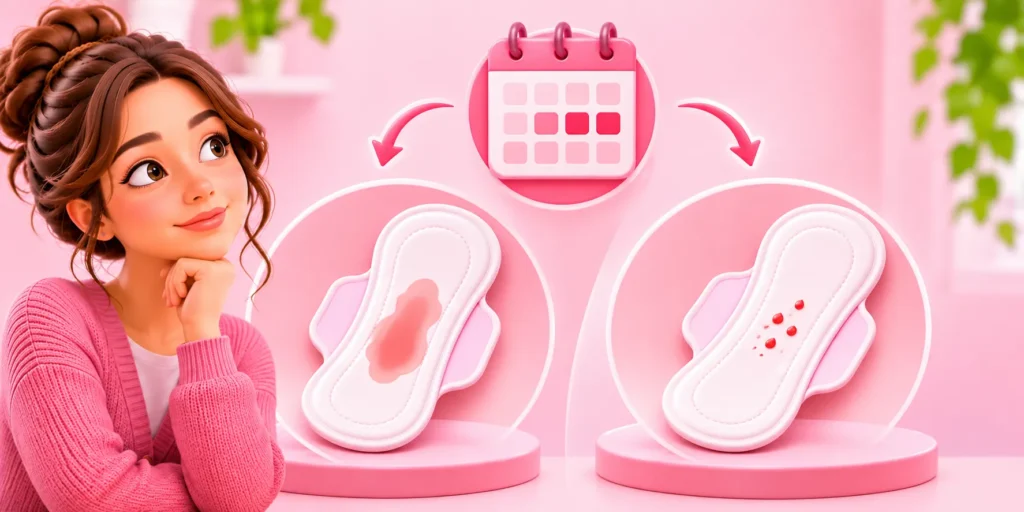
A light period and spotting can look similar, especially when you see only a small amount of blood. Their timing and pattern can help you describe what’s happening.
| Feature | Light period | Spotting |
|---|---|---|
| Amount | Less flow than your usual period | Small spots or drops |
| Timing | Around your expected period | May happen between periods |
| Duration | May continue for several days | May appear briefly or off and on |
| Appearance | Red, pink, or brown | Often pink, red, or brown |
For example, your period may arrive on its usual date but produce much less bleeding than normal. Spotting may appear as a few marks when wiping, outside your expected period.
Colour alone cannot tell you the cause. Read our guides to spotting between periods and brown discharge before your period for more information about these bleeding patterns.
Why Is My Period So Light on the First Day?
Some people start their period with very little bleeding. Their flow increases on the second day, then becomes lighter toward the end.
If that pattern is familiar to you, a light first day may be part of your usual cycle. A new change is worth noticing, especially when your flow stays unusually light throughout the period.
You can record how much bleeding you notice on each day and compare it with previous cycles. There is no need to follow a fixed day-by-day pattern. Your own history is the useful comparison.
Why Is My Period So Light but I Have No Cramps?
You can have a light period without cramps. Menstrual pain varies from person to person and can change between cycles.
The absence of cramps does not explain why your flow is lighter. Natural cycle changes, contraception, and changes in ovulation can affect bleeding without causing noticeable pain.
A light period with new or severe cramps deserves attention, particularly when pregnancy is possible. Do not assume that unusual pain is simply part of your period.
How Can You Track Changes in Your Menstrual Flow?

A simple record can help you see whether this month’s period is an isolated change or part of a longer pattern.
- Start and end dates: Record the first and last days of bleeding.
- Flow: Mark each day as light, moderate, or heavy compared with your usual period.
- Spotting: Note any bleeding outside your expected period.
- Symptoms: Record cramps, pelvic pain, or other changes.
- Recent changes: Note new contraception, medication, exercise routines, or major changes in weight and stress.
For example, a note that says “much lighter than last month, mostly visible when wiping” gives you a useful description to share during an appointment.
Our period blood color guide can also help you understand colour changes you may notice during your cycle.
When Should You See a Doctor About a Light Period?
Arrange a medical appointment if your period stays much lighter than usual, your cycle becomes irregular, or you keep missing periods. It is also worth getting advice when a change comes with new pelvic pain, bleeding between periods, or other symptoms that concern you.
A healthcare professional may ask about your usual cycle, recent bleeding changes, contraception, medication, and the possibility of pregnancy. They can decide whether an examination or tests are needed.
If you might be pregnant and notice bleeding, contact a healthcare professional for advice. Severe abdominal pain, shoulder pain, dizziness, or fainting needs urgent assessment.
Frequently Asked Questions
1. Why is my period so light this month but I’m not pregnant?
↑2. Can a very light period mean pregnancy?
↓3. How light is too light for a period?
↓4. Can stress make your period lighter?
↓5. Does a lighter period mean less fertility?
↓6. Why is my period so light but I have no cramps?
↓Final Thoughts
A lighter period can follow a change in your routine, contraception, hormones, or stage of life. Keep track of how your flow compares with previous cycles. If the change continues or comes with concerning symptoms, seek medical advice.
Medical Disclaimer
A lighter period is not always a reason to worry, as menstrual flow can naturally vary from one cycle to another. Changes in stress, lifestyle, birth control, hormones, and age can all affect your flow. Pay attention to patterns rather than judging one unusual cycle. Tracking your periods can help you notice changes and understand your menstrual health. If lighter bleeding continues, your cycle changes suddenly, or you experience unusual symptoms, speak with a healthcare professional to find out what may be causing it.
Sources and Further Reading
The following medical and health resources informed the background research for this article. They are provided for readers who want to explore the topic further.
- NHS – Periods
- NHS – Period Problems
- NHS – Doing a Pregnancy Test
- NHS – Vaginal Bleeding in Pregnancy
- RCOG – Bleeding and/or Pain in Early Pregnancy
- Cleveland Clinic – Hypomenorrhea: Understanding Light Periods
- Healthline – Why Is My Period So Light?
- Flo Health – Light Periods
- Indira IVF – What Causes Less Bleeding During Periods?