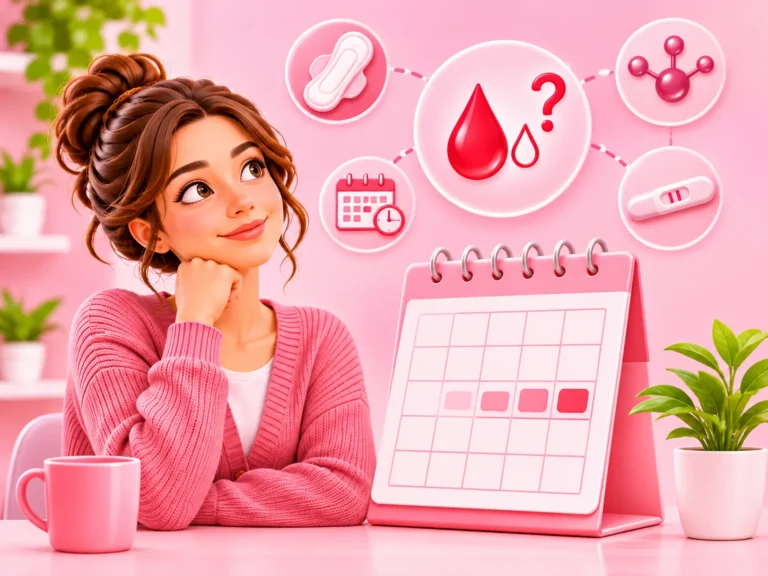

The main ectopic pregnancy symptoms are pain low down on one side of your tummy, vaginal bleeding or brown watery discharge, and a missed period or positive pregnancy test. Some women also feel pain at the tip of the shoulder or discomfort when using the toilet. Symptoms usually appear between weeks 4 and 12 of pregnancy. If you could be pregnant and have these symptoms, contact a doctor the same day. Call an ambulance if you have sudden severe tummy pain, feel very dizzy or faint.
Ectopic Pregnancy Symptoms: The Short Answer
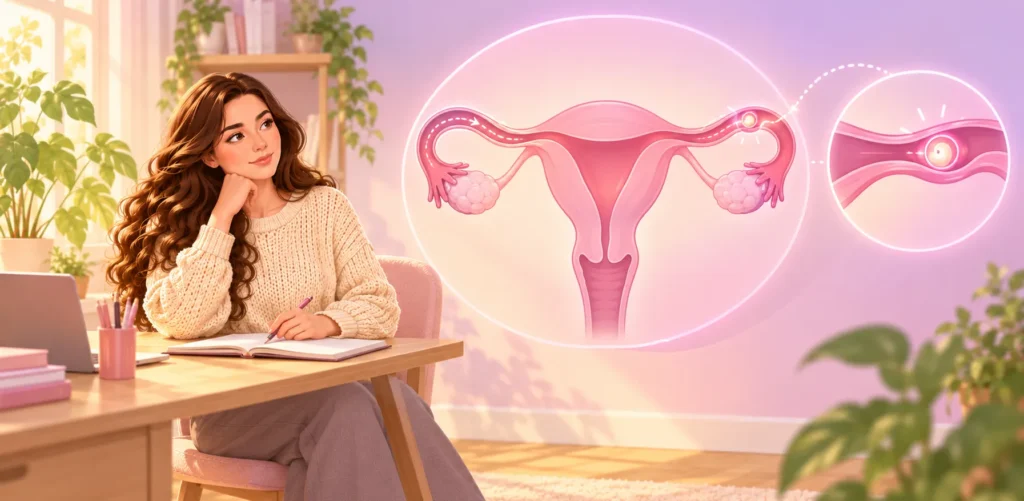
An ectopic pregnancy happens when a fertilised egg implants and grows outside the womb. In about 95 percent of cases it grows in a fallopian tube, the tube that carries eggs from the ovary to the womb. The pregnancy can’t continue there, and as it grows it can damage or burst the tube, which causes internal bleeding.
It affects about 1 in 90 pregnancies in the UK, according to an NHS hospital leaflet. That makes it uncommon, but common enough that every woman of childbearing age benefits from knowing the signs.
The NHS lists the main symptoms as:
- vaginal bleeding that differs from your usual period
- tummy pain, usually low down on one side
- pain at the tip of your shoulder
- discomfort when you pee or poo
You may notice one of these, several of them, or none at first. A combination of symptoms in someone who could be pregnant is the signal to get checked.
Early Signs of Ectopic Pregnancy and When They Start

The NHS says symptoms usually develop between the 4th and 12th week of pregnancy. Two UK patient leaflets, from the Miscarriage Association and an NHS hospital, note that they often begin around week 6. Doctors count these weeks from the first day of your last period, not from the day you conceived.
The first signs can look like any early pregnancy. You might have a missed period, a positive home test, sore breasts or nausea. If your period is late and your test is negative, our guide to a period a week late with a negative test explains when to test again.
Ectopic pregnancy pain tends to sit low in the tummy, often on one side. The NHS describes it as pain that can start suddenly or build slowly, and that can stay constant or come and go. Stomach bugs and trapped wind cause similar pain, so the pain alone doesn’t confirm anything. Pain together with a possible pregnancy is what matters.
Some women have no symptoms in the early weeks. NICE, the UK guidance body, notes that unusual presentations are common. Doctors sometimes find an ectopic pregnancy at a routine early scan before any symptoms appear.
Ectopic Pregnancy Bleeding vs a Period
Ectopic pregnancy bleeding often gets mistaken for a period, and that confusion can delay care. The NHS says it tends to differ from your usual period: it may start and stop, and it can be watery and dark brown.
| What you notice | Usual period | Possible ectopic pregnancy bleeding |
|---|---|---|
| Timing | Arrives around your expected date | Often after a late or missed period, or a positive test |
| Colour and texture | Red to dark red, sometimes small clots | Can be watery and dark brown |
| Pattern | Follows your usual flow over a few days | May start and stop, or return 10 to 14 days after a “light period” |
| Pain | Cramps across the lower tummy that ease | Often low on one side; can be sudden, constant or come and go |
| Other signs | Usual period symptoms | Shoulder tip pain, pain on the toilet, dizziness |
The Miscarriage Association describes a pattern worth knowing. Some women think they’ve had a light period, then bleed again 10 to 14 days later. If that happens to you, take a pregnancy test and contact a doctor, above all if you also have tummy pain. If the test is negative and your period still hasn’t come, our guide to a period late but not pregnant covers the common reasons.
Normal periods can include clots too. Our guide to blood clots in your period explains what’s typical. The difference with ectopic pregnancy is the context: unusual bleeding plus a chance of pregnancy needs a medical check, whatever the bleeding looks like.
Less Common Symptoms That Are Easy to Miss

Shoulder tip pain is one of the most important signs to know. You feel it where your shoulder ends and your arm begins. The NHS says the cause isn’t fully understood, but it can be a sign of internal bleeding. If you could be pregnant and notice it, seek help straight away.
Toilet related symptoms surprise many women. The NHS and NICE list:
- pain or pressure in your bottom when you open your bowels
- pain when you pass urine
- diarrhoea
These are easy to put down to a urine infection or a stomach upset, and NICE warns that ectopic pregnancy can look like gut conditions or a urinary tract infection. NICE also lists dizziness or fainting, breast tenderness and passing tissue from the vagina among reported symptoms. The Miscarriage Association adds that ectopic pregnancy is easily confused with a stomach upset, irritable bowel syndrome, miscarriage or appendicitis. If any of these symptoms appear when you might be pregnant, mention the possible pregnancy to whoever you see.
Signs of a Ruptured Ectopic Pregnancy: Get Emergency Help

A rupture means the fallopian tube has burst. It causes internal bleeding and is a medical emergency. The NHS lists these ruptured ectopic pregnancy symptoms:
- a sharp, sudden and intense pain in your tummy
- feeling very dizzy or fainting
- feeling sick
If you also look pale, feel your heart racing or have shoulder tip pain, the situation is more serious. Call an ambulance or go to the nearest emergency department straight away. In the UK, call 999. In Pakistan, call Rescue 1122 or go to the nearest hospital emergency department. Don’t drive yourself, and don’t wait to see if the pain settles.
For symptoms that are worrying but not severe, such as one sided pain or unusual bleeding with a possible pregnancy, the NHS advises contacting your GP or NHS 111. Outside the UK, call your gynaecologist or visit a hospital with an early pregnancy or gynaecology service the same day.
Who Is at Higher Risk and How Doctors Check

The Miscarriage Association lists these risk factors:
- a previous ectopic pregnancy
- pelvic inflammatory disease or chlamydia
- previous surgery on the fallopian tubes, including sterilisation or its reversal
- pregnancy through IVF or ICSI
- becoming pregnant while using a coil (IUD) or the progesterone only pill
- smoking
- being over 35
A risk factor isn’t needed. NICE notes that about a third of women with an ectopic pregnancy have no known risk factors, so you can’t rule it out because none of the list applies to you. Pregnancy is possible at more points in the cycle than many people expect, as our guide to getting pregnant right after your period explains.
Doctors confirm an ectopic pregnancy with three main checks, according to the NHS hospital leaflet:
- A urine pregnancy test. A negative result makes an ectopic pregnancy very unlikely.
- A transvaginal ultrasound scan, where a small probe gives a clearer view of the womb and tubes.
- hCG blood tests, usually repeated about 48 hours apart. In an ectopic pregnancy the level often rises slowly or stays flat.
Treatment depends on the results and on how you feel. Options include close monitoring, a medicine called methotrexate, or keyhole surgery.
Frequently Asked Questions
1. Can you have an ectopic pregnancy with a negative pregnancy test?
↓2. Can ectopic pregnancy pain feel like period cramps?
↓3. Can you have an ectopic pregnancy and not know?
↓4. What does ectopic pregnancy pain feel like?
↓5. Can you get pregnant after an ectopic pregnancy?
↓Conclusion: What to Do Next
Ectopic pregnancy symptoms often start quietly: a missed period, one sided tummy pain and bleeding that looks unlike your usual period. Shoulder tip pain or toilet related pain can join them. Sudden severe pain, dizziness or fainting signal a possible rupture and need emergency care.
If you might be pregnant and notice these signs, take a pregnancy test and contact a doctor the same day. Tell them about every symptom, including the ones that seem unrelated, such as diarrhoea or shoulder pain. Tracking your period dates in MyOvly helps you answer the first question a doctor will ask: when did your last period start?
An ectopic pregnancy is not your fault, and the feelings afterwards can be heavy. The Miscarriage Association notes that around 40 to 50 percent of people have some post traumatic stress symptoms, and advises seeing a GP if they last or affect daily life. Most women go on to have a healthy pregnancy later. The Miscarriage Association reports that about 65 percent conceive within 18 months, and the chance of another ectopic pregnancy is about 7 to 10 percent. Doctors usually offer an early scan in the next pregnancy. If you’re planning a family with PCOS, our guide on getting pregnant with PMOS may help. For support, The Ectopic Pregnancy Trust and the Miscarriage Association offer information and helplines.
Medical disclaimer: This article is for informational purposes only and does not replace professional medical advice, diagnosis or treatment. Consult a qualified healthcare professional about your symptoms. If you could be pregnant and have sudden severe tummy pain, feel very dizzy or faint, call emergency services straight away.
References & Further Reading
- NHS: Ectopic Pregnancy: Symptoms
- NICE NG126: Symptoms and Signs of Ectopic Pregnancy and Initial Assessment
- The Royal Wolverhampton NHS Trust: Ectopic Pregnancy Patient Leaflet
- The Miscarriage Association: Ectopic Pregnancy Leaflet
- The Ectopic Pregnancy Trust: Symptoms of an Ectopic Pregnancy