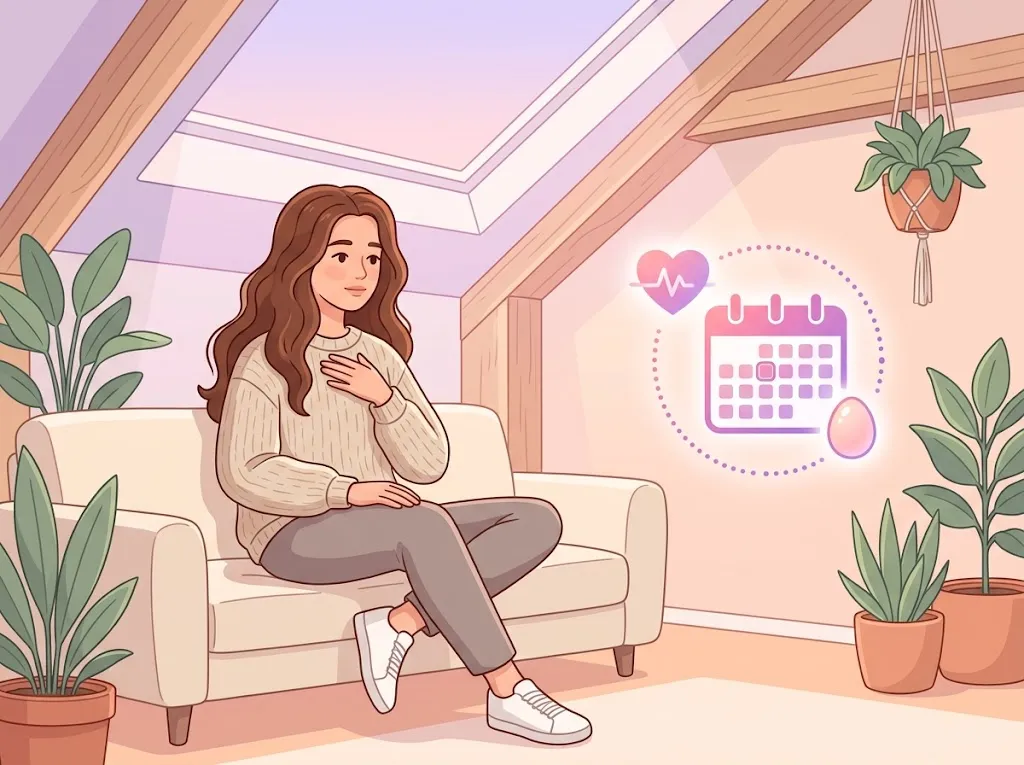
Breast pain during ovulation can feel different for everyone. Some people notice tenderness, soreness, heaviness, or mild swelling around the middle of their menstrual cycle. For others, the discomfort is barely noticeable or does not happen at all. In many cases, these changes may be related to hormonal fluctuations, but breast pain can also occur before a period, after starting certain medications, during pregnancy, or because of another condition.
One important thing to remember is that sore breasts do not automatically mean you are ovulating. The timing of your symptoms, how long the pain lasts, and whether you notice other changes can help you understand your usual cycle pattern.
So, why do your breasts hurt around ovulation? Is the discomfort normal, how long might it last, and what can you do to feel better? Let’s look at the possible causes, practical ways to manage breast tenderness, and the warning signs that deserve medical attention.
Is Breast Pain During Ovulation Normal?

Yes, breast tenderness can occur around ovulation and may be a normal part of your menstrual cycle. However, not everyone experiences it, and breast pain is not a reliable way to identify the exact day you ovulate.
Throughout the menstrual cycle, levels of estrogen and progesterone change. These hormones influence breast tissue, and hormonal fluctuations may contribute to tenderness, swelling, or a feeling of fullness. Some people notice similar symptoms during several cycles, while others experience them occasionally or not at all.
Breast pain linked to the menstrual cycle is commonly called cyclical breast pain or cyclical mastalgia. It often affects both breasts and may feel like a dull ache, heaviness, or general soreness. Although hormonal changes around ovulation may contribute to breast tenderness, cyclical pain is frequently more noticeable during the days before menstruation.
That means the timing matters. If your breasts feel sore around the middle of your cycle, ovulation is one possible explanation, but it is not the only one.
You can learn more about other possible changes around this time in our guide to the signs of ovulation.
Why Do Breasts Hurt During Ovulation?
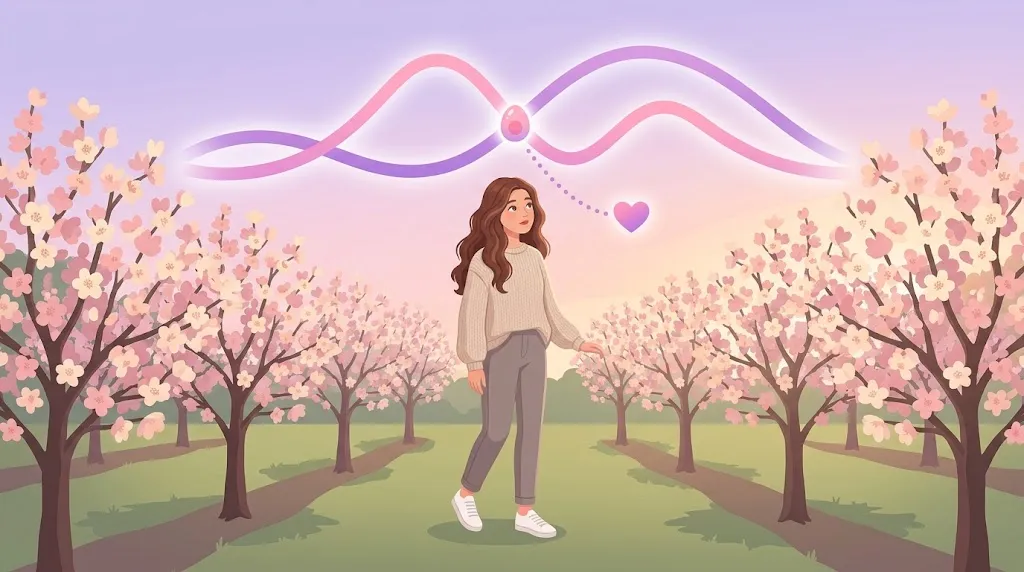
Hormonal changes are one possible reason for breast tenderness, but several factors can contribute to the discomfort. Understanding these possibilities can help you recognize patterns without assuming that every episode of breast pain is caused by ovulation.
Estrogen and progesterone fluctuations
Estrogen levels rise during the first part of the menstrual cycle and peak around ovulation. After ovulation, progesterone levels increase during the luteal phase. These hormonal changes can influence breast tissue and may contribute to tenderness, swelling, or a heavy feeling.
The relationship between hormones and breast pain is complex, however. Not everyone experiences the same symptoms, and the presence of breast tenderness cannot tell you exactly when ovulation occurred.
Premenstrual breast tenderness
Sometimes, what feels like breast pain during ovulation is actually discomfort that develops later in the cycle. Premenstrual breast tenderness often becomes more noticeable in the days leading up to a period and may improve when menstruation begins.
If your symptoms usually appear before your period rather than around the middle of your cycle, premenstrual hormonal changes may be a more likely explanation.
Hormonal medications
Hormonal birth control, fertility medications, and hormone therapy can sometimes cause breast tenderness. If the discomfort started after beginning a new medication or changing your dose, speak with your healthcare professional about whether the treatment could be contributing.
Do not stop prescribed medication or change your dose without medical advice.
Other breast or chest conditions
Breast cysts, inflammation, infections, injuries, and chest-wall muscle pain can also cause discomfort. Pain may sometimes feel as though it is coming from the breast when the source is actually a muscle or another nearby structure.
If the pain repeatedly affects one specific area, does not follow your usual cycle pattern, or becomes more severe, it is worth getting checked rather than assuming it is related to ovulation.
For a better understanding of cycle timing, read our guide to how long ovulation lasts.
What Does Breast Pain During Ovulation Feel Like?
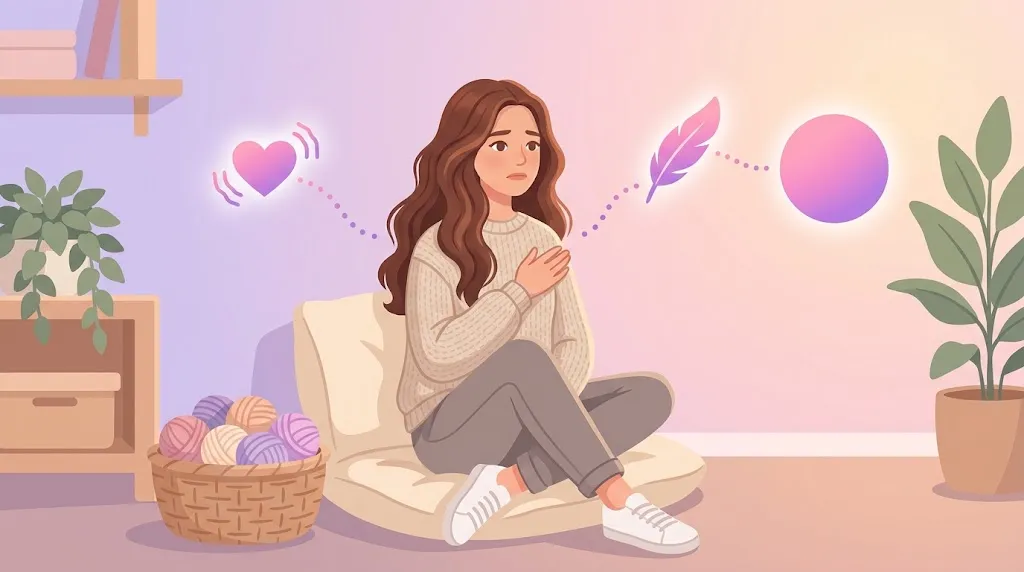
The sensation can vary from person to person. Some people describe it as mild tenderness, while others notice a more uncomfortable feeling of fullness or soreness.
Common experiences may include:
- Tenderness when touching the breasts.
- A dull ache or feeling of heaviness.
- Mild swelling or fullness.
- Increased nipple sensitivity.
- Discomfort that becomes more noticeable during exercise or when wearing an uncomfortable bra.
You might experience these symptoms in both breasts or notice discomfort on only one side. Hormonal breast pain often affects both breasts, but this is not a strict rule.
The pattern is often more useful than any single symptom. For example, discomfort that appears at a similar point in several menstrual cycles and then settles may suggest a cyclical pattern. On the other hand, pain that is new, persistent, or concentrated in one particular area deserves more attention.
Keep track of where the pain occurs, how intense it feels, and whether anything makes it better or worse. These details can help you explain your symptoms to a healthcare professional if you need an assessment.
How Long Does Breast Pain During Ovulation Last?
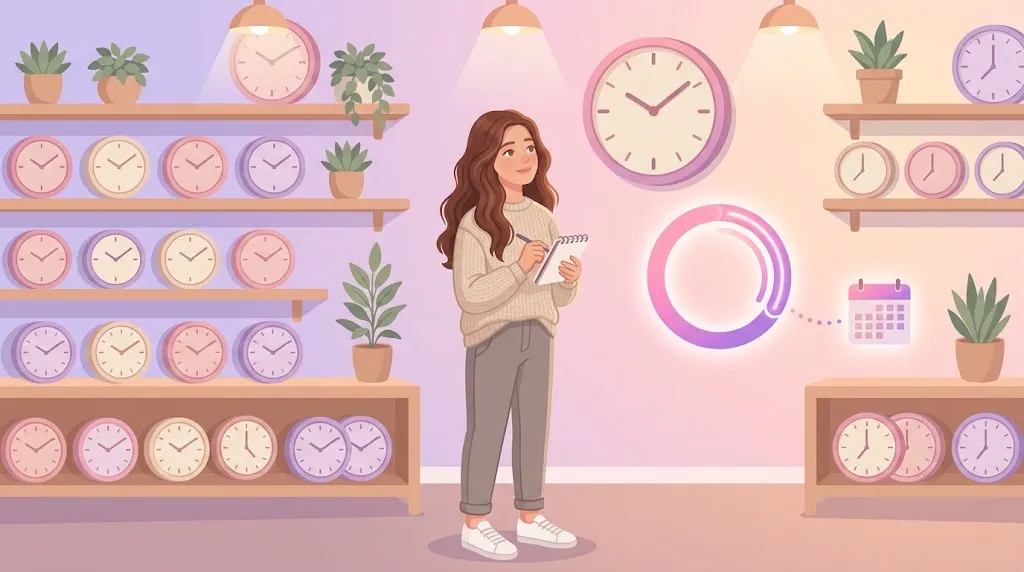
There is no fixed duration for breast pain around ovulation. Some people experience brief tenderness, while others notice discomfort that continues into the days before their period.
If hormonal fluctuations are contributing to the pain, symptoms may improve as the menstrual cycle progresses. However, the timing differs from person to person, and there is no guaranteed number of hours or days that applies to everyone.
If the pain lasts longer than you expect, keeps returning in the same spot, becomes more severe, or interferes with everyday activities, do not automatically attribute it to ovulation.
One useful approach is to track your symptoms over two or three menstrual cycles. Record the first day of each period, when the breast pain begins, how long it lasts, and whether you notice other symptoms such as swelling or nipple changes.
You can also read our guide to when ovulation usually occurs after your period. Ovulation timing varies according to cycle length and may change from one month to another. Even people with generally regular periods may not ovulate on exactly the same day every cycle.
Does Breast Pain During Ovulation Mean Pregnancy?
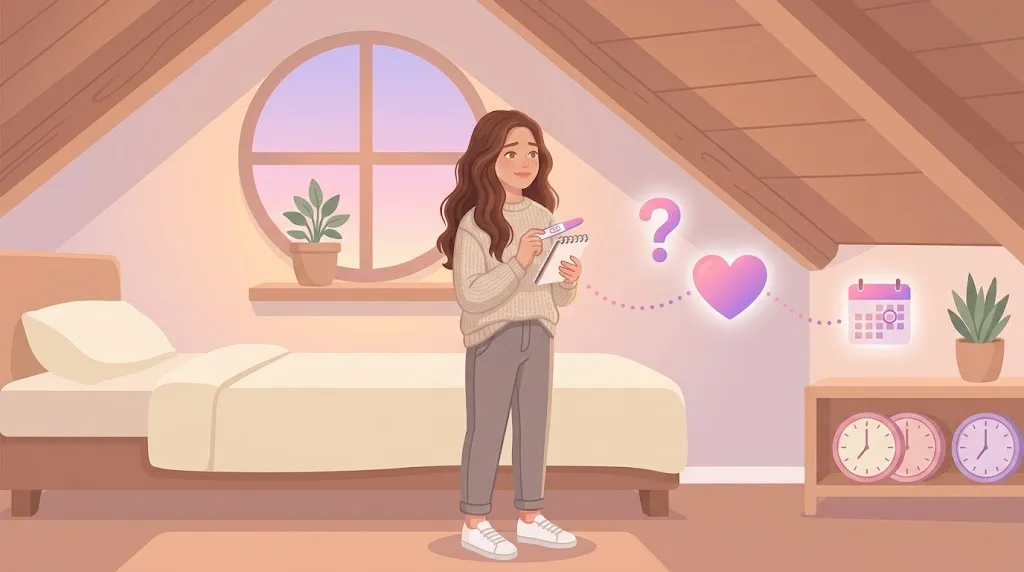
Not necessarily. Breast tenderness can occur in early pregnancy, but it is also common before a period and may happen at other points in the menstrual cycle.
That is why breast pain alone cannot confirm pregnancy. It also cannot reliably establish whether ovulation has occurred.
If you have had sex that could result in pregnancy, consider taking a home pregnancy test at the appropriate time. According to the NHS pregnancy testing guidance, most tests can be used from the first day of a missed period. If you do not know when your next period is due, testing at least 21 days after unprotected sex is recommended.
A negative result taken too early may not be reliable. If your period still has not arrived and pregnancy remains possible, repeat the test after a few days and follow the instructions provided with the test.
If you are trying to understand your fertile window, our guide explains whether you can get pregnant right after your period. You can also learn more about whether pregnancy is possible only during ovulation.
The main takeaway is simple: breast tenderness can have several explanations, so use an appropriately timed pregnancy test rather than symptoms alone to check for pregnancy.
Ways to Relieve Breast Pain During Ovulation

If the discomfort is mild, follows a familiar pattern, and is not accompanied by concerning symptoms, a few simple measures may help you feel more comfortable.
Wear a supportive bra. A well-fitting bra can reduce movement and pressure on your breasts, especially during exercise. Choose one that feels comfortable and provides support without digging into your skin. You may also prefer a softer bra when your breasts feel particularly tender.
Try a warm or cold compress. Some people find a warm compress soothing, while others prefer a cold pack. Try whichever feels more comfortable. If you use a cold pack, wrap it in a cloth and avoid applying ice directly to your skin.
Track your symptoms. A menstrual calendar or cycle-tracking app can help you identify whether breast tenderness tends to occur around the middle of your cycle or in the days before your period. Recording the timing and severity of the pain may also help you recognize changes and give your healthcare professional useful information.
Consider suitable pain relief. Medicines such as paracetamol (acetaminophen) or ibuprofen may help some people, but they are not appropriate for everyone. Ask a pharmacist or healthcare professional which option is suitable for you, particularly if you might be pregnant, have an existing medical condition, or take other medication. Follow the product instructions and do not exceed the recommended dose.
Review possible medication-related causes. If the tenderness began after starting hormonal birth control, fertility medication, or another treatment, discuss the timing with your healthcare professional. They can help you decide whether any changes are needed.
Be cautious with supplements. Vitamin E and evening primrose oil are sometimes promoted for breast pain, but evidence supporting their effectiveness is limited. Supplements can also cause side effects or interact with medication, so they should not be treated as proven solutions.
For more information about managing breast discomfort, consult the NHS breast pain guide and Cleveland Clinic’s breast pain guidance.
When Should You Call Your Doctor?
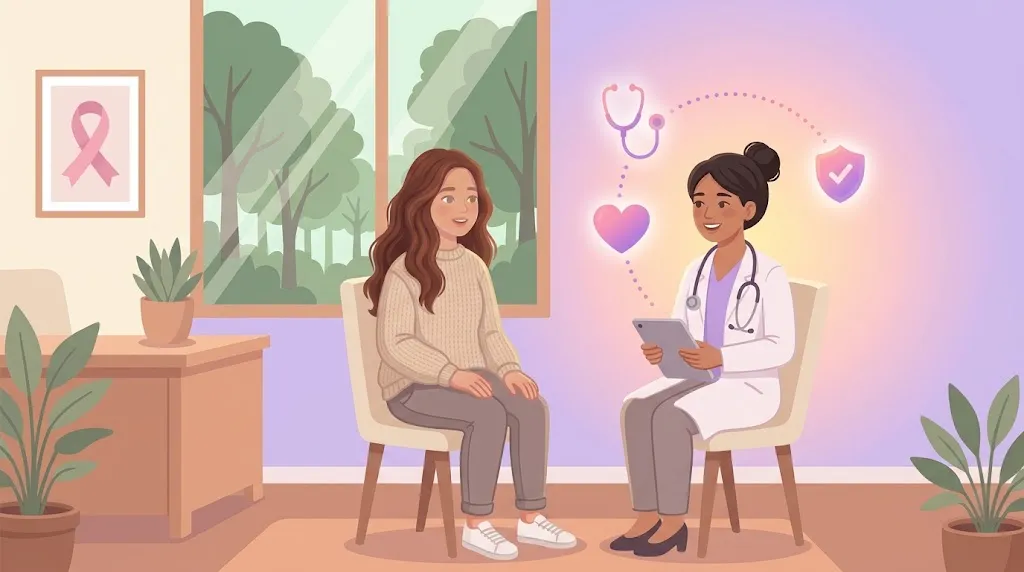
Breast pain is not usually caused by a serious condition, but new or unusual symptoms should not be ignored simply because they appear around the middle of your menstrual cycle.
Arrange a medical assessment if you notice:
- A new breast lump or a hard area that feels different from the surrounding tissue.
- Bloody or otherwise unusual nipple discharge.
- Changes in breast shape or size that are new for you.
- Skin dimpling, persistent redness, a rash, or changes around the nipple.
- Pain that persists, worsens, repeatedly affects one specific area, or interferes with your daily activities.
- Discomfort that does not improve with appropriate self-care.
Seek urgent medical advice if your breast becomes red, hot, or swollen and you also develop a fever, chills, or feel generally unwell. These symptoms can indicate an infection that may require treatment.
Breast pain by itself is not usually a sign of breast cancer. However, pain accompanied by a new lump, unusual discharge, or skin changes should be assessed by a healthcare professional. Depending on your symptoms and examination, they may recommend further tests or imaging.
You can find additional information in Johns Hopkins Medicine’s guide to mastalgia and the MedlinePlus breast pain resource.
Frequently Asked Questions
1. Is breast pain during ovulation normal?
↑2. Can ovulation cause pain in only one breast?
↓3. How long does breast pain during ovulation last?
↓4. Is sharp breast pain during ovulation normal?
↓5. Can breast pain after ovulation mean pregnancy?
↓6. When should I worry about breast pain?
↓Conclusion
Breast pain during ovulation may be related to hormonal changes, but the timing, intensity, and duration differ from person to person. If the discomfort is mild and follows a familiar pattern, a supportive bra, a warm or cold compress, and symptom tracking may help.
Remember that breast tenderness cannot confirm ovulation or pregnancy. If the pain is new, persistent, worsening, or accompanied by a lump, nipple discharge, skin changes, redness, or fever, seek appropriate medical advice rather than assuming it is a normal part of your cycle.
Understanding your usual menstrual pattern can help you notice changes and decide when to get checked.
Medical disclaimer: This article is for general educational purposes only and does not replace individual medical advice. Consult a qualified healthcare professional about persistent, unusual, or concerning symptoms.