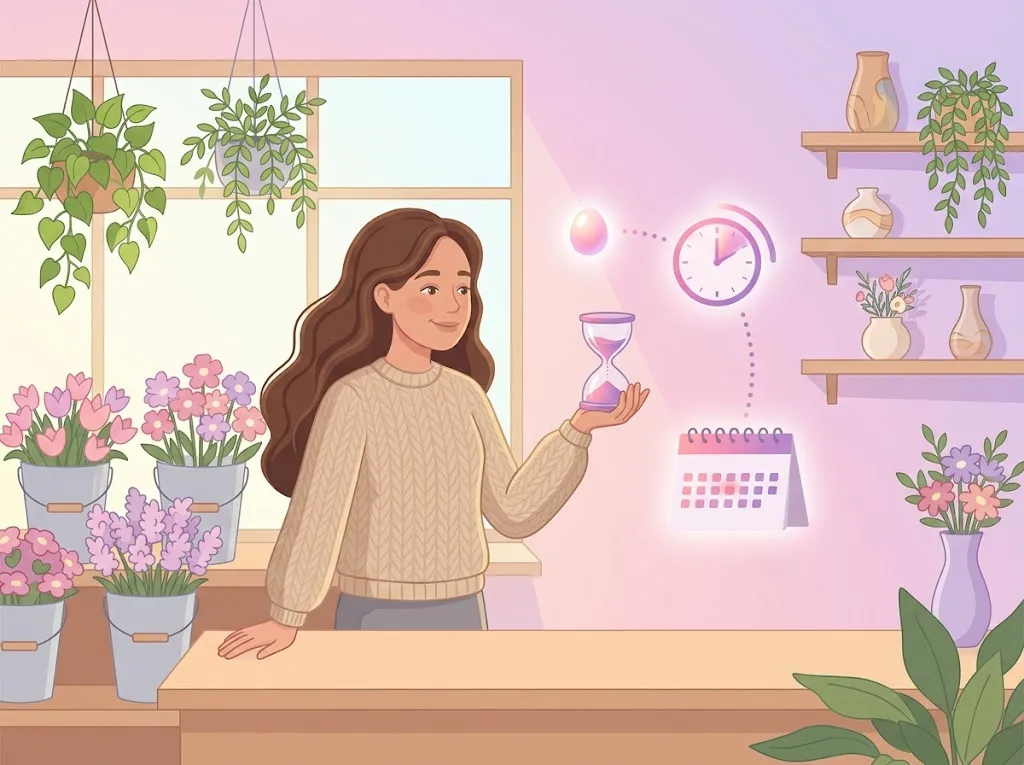
How long does ovulation last? Ovulation itself is the brief event when an ovary releases a mature egg, while the egg usually remains capable of being fertilized for about 12 to 24 hours afterward. However, your fertile window lasts longer because sperm can survive in the reproductive tract for several days.
Understanding the difference between ovulation, egg survival, and the fertile window can help you understand your menstrual cycle and recognize when pregnancy is most likely. It can also help you interpret changes in cervical mucus, mild pelvic discomfort, and ovulation test results.
If you are trying to conceive or simply want to understand your body better, this guide explains how ovulation works, how timing varies, and which tracking methods can help you identify your most fertile days.
1. How Long Does Ovulation Last in Hours and Days?
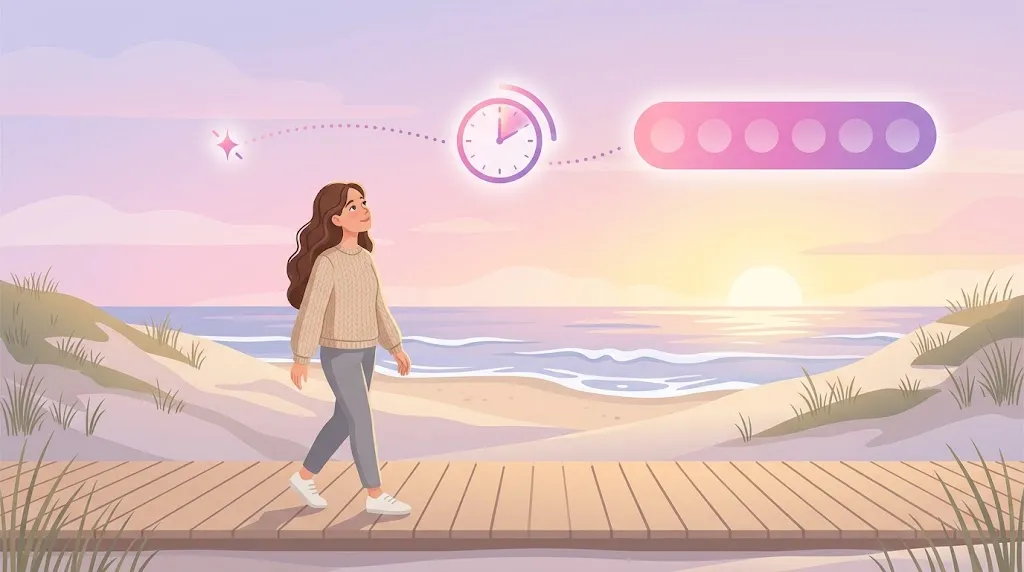
Ovulation is the process in which a mature egg leaves an ovary and enters a fallopian tube. Although the hormonal changes leading up to ovulation take several days, the actual release of the egg is a brief event.
Once released, the egg generally remains viable for approximately 12 to 24 hours. If sperm fertilizes it during this period, fertilization may occur. If fertilization does not happen, the egg breaks down and is absorbed by the body.
This short lifespan is why timing matters when pregnancy is the goal. However, it does not mean you can become pregnant only on the exact day you ovulate.
Ovulation versus egg survival versus the fertile window
These three terms describe different parts of the reproductive process.
| Term | Approximate duration | What it means |
|---|---|---|
| Egg release | A brief event | The ovary releases a mature egg |
| Egg viability | About 12 to 24 hours | The egg may be fertilized after release |
| Fertile window | About six days | The days when intercourse may result in pregnancy, including the days before ovulation |
The fertile window is longer because sperm can remain capable of fertilization for several days under suitable conditions in the reproductive tract. Consequently, intercourse before ovulation can lead to pregnancy even if it happens before the egg is released.
According to Cleveland Clinic, ovulation is the release of an egg, and the egg survives for around 12 to 24 hours afterward. The NHS also explains that fertility extends beyond ovulation because sperm can survive for several days.
Can ovulation last for seven days?
Ovulation itself does not normally last seven days. People sometimes use the word ovulation to describe the entire period when they notice fertile cervical mucus, increased sexual desire, or other changes.
These signs can appear before the egg is released and may continue around the time of ovulation. The fertile window also spans several days. Neither of these facts means that the egg remains viable for a week.
If you notice fertile signs over several days, they may indicate that your body is approaching ovulation or that you are within your fertile window.
Image placement: Add an original illustration showing the brief egg release, the egg’s limited survival time, and the longer fertile window.
2. How Long Does Ovulation Last After Your Period?
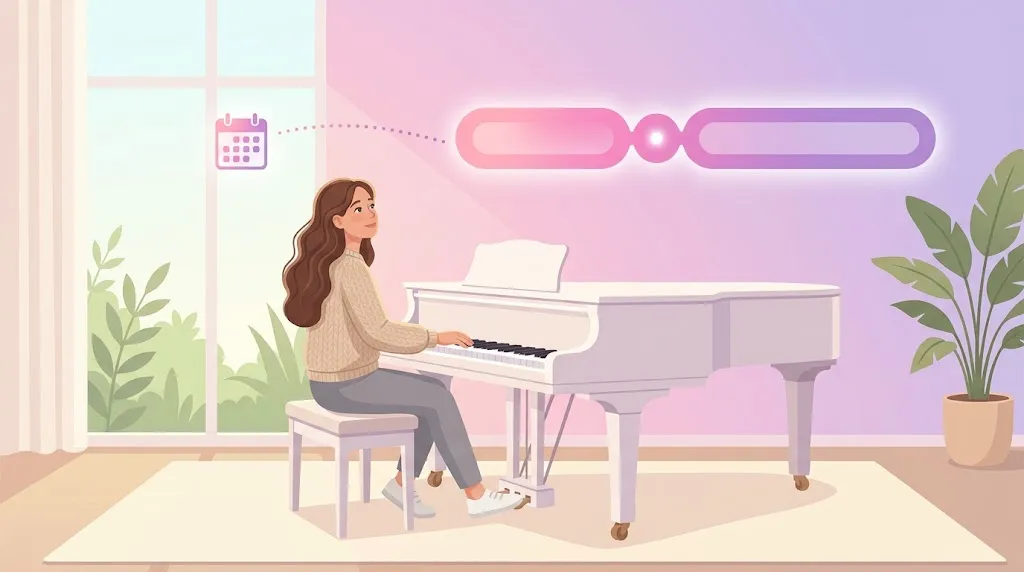
Ovulation does not happen on the same cycle day for everyone. Its timing depends partly on the length of your menstrual cycle and how long your follicular phase lasts.
The first day of menstrual bleeding is cycle day one. During the first part of the cycle, hormones help an ovarian follicle develop and mature an egg. As hormone levels change, a surge in luteinizing hormone, or LH, helps trigger ovulation.
In a typical 28 day cycle, ovulation often occurs around the middle of the cycle. However, it can happen earlier or later, even in someone whose periods are usually regular.
Does ovulation happen immediately after a period?
It can happen relatively soon after menstruation, particularly if you have a shorter cycle or a longer period. Sperm may survive for several days, so intercourse near the end of a period could lead to pregnancy if ovulation occurs soon afterward.
For this reason, you should not assume that the days immediately following menstruation are always infertile.
If you want to understand the relationship between your period and ovulation, read our guide on how many days after your period do you ovulate.
You can also explore whether you can ovulate soon after your period for a more detailed explanation of early ovulation.
How long does ovulation last before your next period?
Ovulation itself remains brief, regardless of when it happens during your cycle. The time between ovulation and the next period is part of the luteal phase, which often lasts around 14 days but varies between individuals.
The NHS describes the time from egg release to the start of the next period as approximately 10 to 16 days. Therefore, estimating ovulation by counting backward from your expected period can be useful, but it cannot identify the exact day with certainty.
A late period does not automatically mean late ovulation, and a calendar estimate cannot confirm whether ovulation occurred.
Image placement: Add a menstrual cycle timeline with menstruation, the estimated ovulation point, and the luteal phase clearly labelled.
3. How Long Does Ovulation Last in a 28 Day Cycle and Other Cycle Lengths?
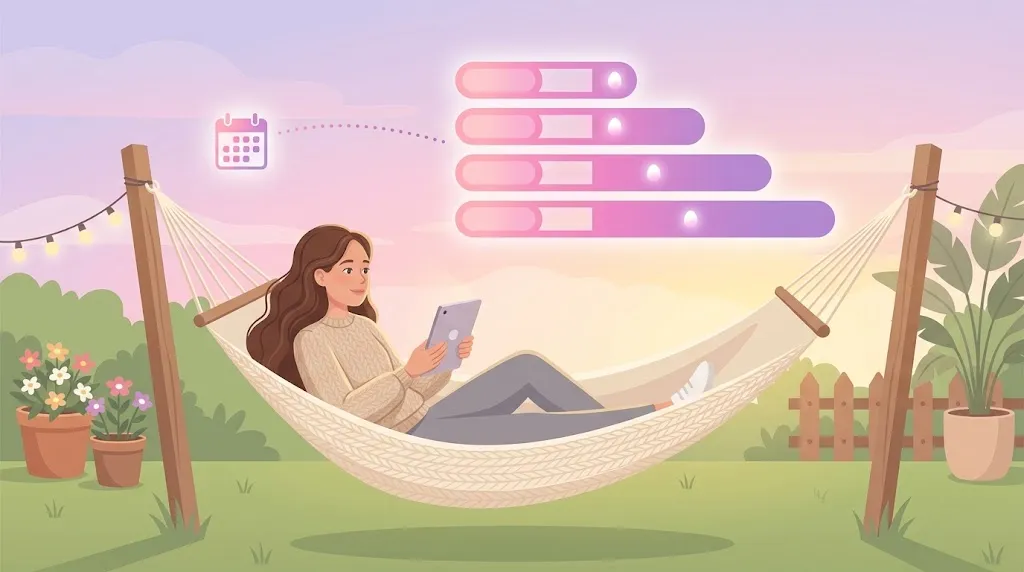
A 28 day cycle is often used as an example when explaining ovulation, but it is not the only normal cycle length. Your cycle may be shorter or longer, and the timing of ovulation can change from one month to another.
Ovulation often occurs approximately 14 days before the next period, although individual luteal phase lengths vary. The following table gives rough examples rather than guaranteed ovulation dates.
| Cycle length | Approximate ovulation estimate |
|---|---|
| 21 days | Around day 7 |
| 24 days | Around day 10 |
| 28 days | Around day 14 |
| 30 days | Around day 16 |
| 32 days | Around day 18 |
| 35 days | Around day 21 |
These estimates assume that the next period follows a typical luteal phase. Your actual timing may differ, especially if your cycle length changes between months.
What if your cycle is shorter than 28 days?
In a shorter cycle, ovulation may occur earlier. This is one reason pregnancy can be possible when intercourse happens close to the end of menstruation.
If you have a 21 or 24 day cycle, relying on the assumption that ovulation always occurs on day 14 could lead to an incorrect estimate of your fertile window.
What if your cycle is longer than 28 days?
In a longer cycle, ovulation may happen later. A longer follicular phase can delay the release of the egg, shifting the fertile window and the expected date of your next period.
For more information, see our guide to ovulating late in your cycle.
How does the menstrual cycle affect ovulation?
The menstrual cycle includes menstruation, the follicular phase, ovulation, and the luteal phase. Hormones coordinate these stages, helping an egg mature, triggering its release, and preparing the uterine lining for a possible pregnancy.
Learn more about the phases of the menstrual cycle and the follicular phase after your period.
Remember that cycle day estimates are guides, not proof of ovulation. Tracking several cycles and combining different signs can provide more information than relying on a single calendar prediction.
Image placement: Add a comparison infographic showing estimated ovulation timing in 21, 24, 28, 30, and 35 day cycles.
4. How to Recognize and Track Ovulation
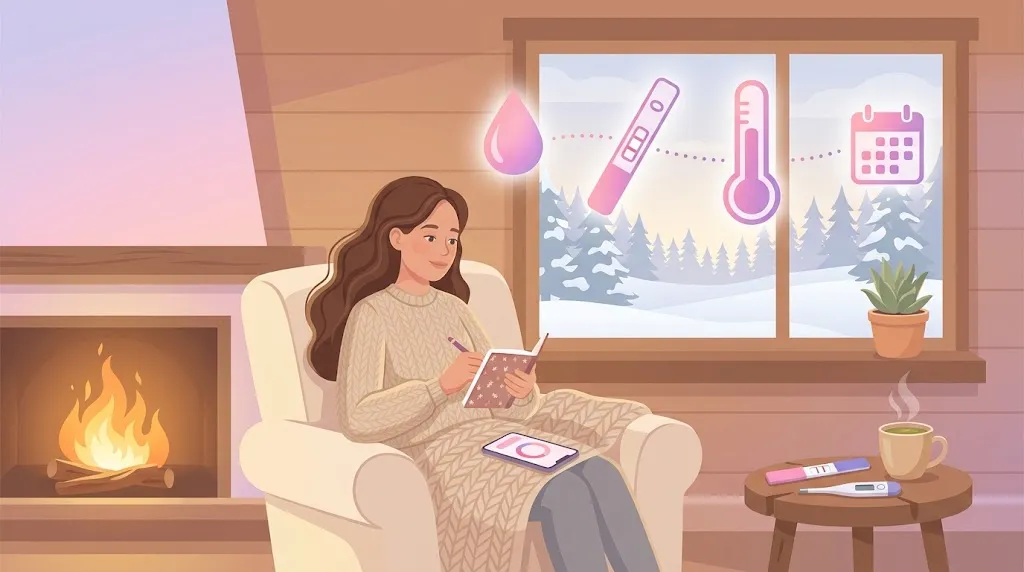
You cannot always feel when ovulation happens. Some people notice several physical changes, while others experience no obvious symptoms. Tracking your cycle can help you recognize patterns, but no single symptom or prediction method confirms ovulation in every situation.
Watch for changes in cervical mucus
As ovulation approaches, cervical mucus often becomes clearer, wetter, slippery, and stretchier. Some people describe its appearance as similar to raw egg white.
This mucus can help sperm move through the reproductive tract. After ovulation, cervical mucus may become thicker, stickier, or less noticeable.
These changes can help you identify potentially fertile days, but mucus alone cannot establish the exact time an egg is released.
Understand positive ovulation test results
Ovulation predictor kits detect luteinizing hormone in urine. An LH surge often occurs before ovulation, and a positive test suggests that ovulation may be approaching, commonly within roughly 24 to 36 hours.
However, a positive result does not prove that an egg has been released. Some people, including those with certain hormonal conditions, may have patterns that make test results harder to interpret.
If you use an ovulation test, follow the manufacturer’s instructions and record the result alongside other cycle observations.
Track basal body temperature
Basal body temperature is your body’s resting temperature, measured immediately after waking and before getting out of bed. It typically rises slightly after ovulation because of hormonal changes.
A sustained temperature shift can help you recognize a pattern retrospectively. It is less useful for predicting ovulation in advance because the rise often occurs after the egg has been released.
Keep a consistent cycle record
Record the first day of each period, cycle length, cervical mucus changes, LH test results, and any symptoms you notice. Reviewing several months can help you understand your usual pattern and recognize changes.
The MyOvly app can help you record period dates, symptoms, and cycle patterns in one place. Treat calendar predictions as estimates rather than confirmation of ovulation.
Image placement: Add an illustration of a person recording cycle dates, observing cervical mucus changes, and using an ovulation test.
5. How Long Does Ovulation Pain and Spotting Last?
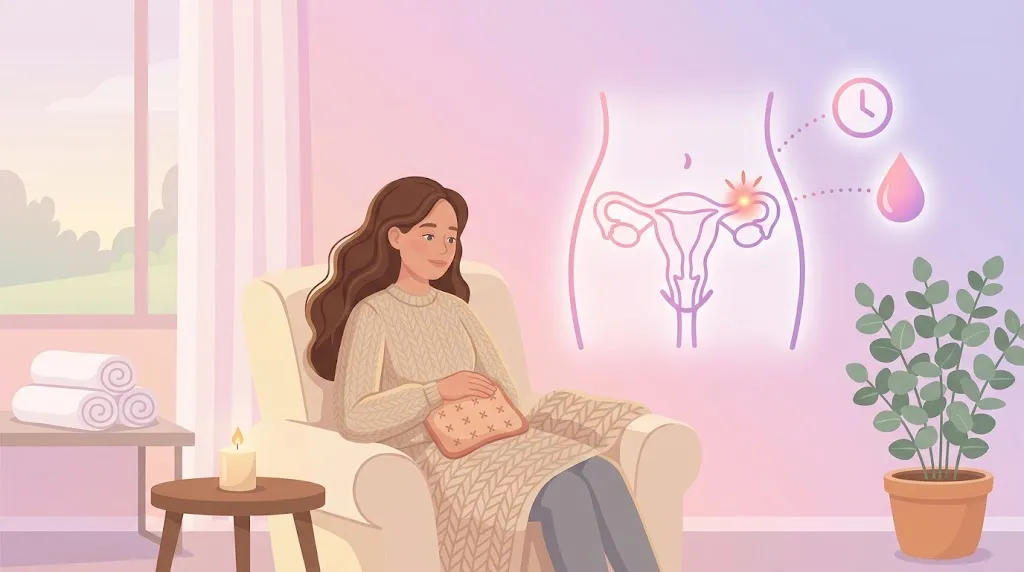
Ovulation can sometimes cause mild pelvic discomfort or light spotting. These symptoms may happen around the time an egg is released, but they do not reliably tell you the exact moment of ovulation.
How long does ovulation pain last?
Ovulation pain, also called mittelschmerz, may feel like a dull ache or a sudden twinge on one side of the lower abdomen. It can occur on either side, depending on which ovary releases an egg.
The NHS states that ovulation pain may last from a few minutes to one or two days. Some people experience it regularly, while others never notice it.
Pain duration is different from egg viability. Pain that continues for a day does not mean ovulation or the fertile window has necessarily lasted for that same amount of time.
You can read more about symptoms in our guide to signs of ovulation.
How long does ovulation spotting last?
Some people notice a small amount of light bleeding or pinkish discharge around ovulation. When it occurs, it is generally brief and much lighter than a typical menstrual period.
However, spotting can have several causes. It should not automatically be attributed to ovulation, particularly if it is heavy, persistent, recurrent, or accompanied by significant pain.
If you experience unusual bleeding, seek medical advice to identify the cause.
When should you seek medical advice?
Mild, short lived discomfort may not require treatment. However, severe pelvic pain, pain that keeps returning, heavy bleeding, fever, faintness, or pain when pregnancy is possible warrants medical assessment.
Seek urgent care if you have severe or sudden abdominal pain, particularly if it occurs with dizziness, fainting, or heavy bleeding.
Do not rely on presumed ovulation symptoms to rule out another condition. Ovarian cysts, endometriosis, infections, and other problems can produce similar symptoms.
Image placement: Add a simple educational illustration showing the lower abdomen and common ovulation symptoms, without implying that symptoms diagnose ovulation.
6. How Long Does Ovulation Last With Irregular Periods?
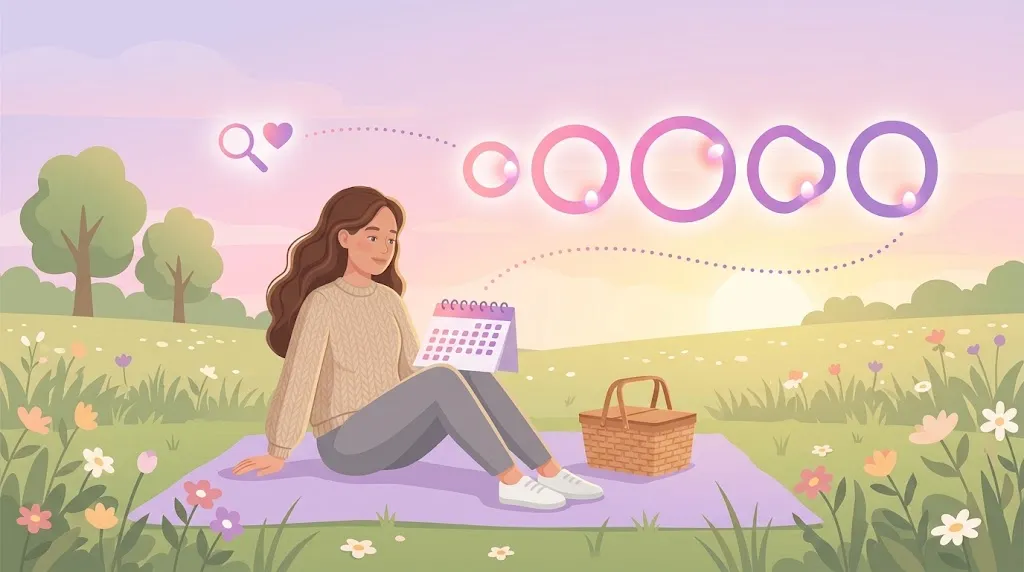
If your periods are irregular, predicting ovulation using a calendar becomes less reliable. Your follicular phase may vary, meaning ovulation can occur earlier or later than expected.
Irregular periods can have several causes, including stress, changes in weight, intense exercise, thyroid conditions, and hormonal conditions such as polycystic ovary syndrome, also known as PCOS.
These factors may affect whether ovulation occurs regularly and when it happens. Irregular periods do not always mean that you are not ovulating, but repeated irregularity may deserve medical assessment.
Can you ovulate with PCOS?
Some people with PCOS ovulate irregularly, while others may not ovulate consistently. Hormonal patterns can also make ovulation predictor kits more difficult to interpret for some individuals.
If you have PCOS and want to understand your fertile window, a healthcare professional can help you choose an appropriate tracking approach. Do not assume that a positive ovulation test or a calendar prediction alone confirms ovulation.
How can you track irregular cycles?
A useful starting point is to record period dates over several months and note changes in cervical mucus, LH test results, and basal body temperature. Combining these observations may reveal patterns that a calendar alone misses.
If your periods are frequently absent, unusually unpredictable, or accompanied by other symptoms, discuss them with a healthcare professional. Medical assessment can help identify possible causes and determine whether further testing is appropriate.
Image placement: Add an original cycle tracking calendar showing variable cycle lengths and the importance of combining multiple observations.
7. Frequently Asked Questions About Ovulation
1. How many days are you ovulating?
↑2. What are the seven signs of ovulation?
↓3. Will I definitely get pregnant if I am ovulating?
↓4. How do you know when ovulation is over?
↓5. Is ovulation one day or many days?
↓6. Is pregnancy guaranteed on ovulation day?
↓7. What are two signs of ovulation?
↓Medical Disclaimer
This article is for educational purposes only and is not a substitute for professional medical advice, diagnosis, or treatment. Menstrual cycles and ovulation patterns vary between individuals. If you have persistent irregular periods, unusual bleeding, severe pelvic pain, or concerns about fertility, consult a qualified healthcare professional.
References & Further Reading
- Cleveland Clinic: Ovulation: Calculating, Process, Pain and Other Symptoms
- NHS: Periods and Fertility in the Menstrual Cycle
- NHS: Ovulation Pain
- Office on Women’s Health: Your Menstrual Cycle
- American Society for Reproductive Medicine: Ovulation Detection
- Mayo Clinic: Ovulation: When You Are Most Fertile
- MedlinePlus: Ovulation Home Tests