

Can you get pregnant with PMOS? Yes. PMOS, the condition most people still know as PCOS, makes ovulation unpredictable, so conception can take longer, but many women get pregnant on their own and many others respond well to a simple ovulation tablet. Your real odds depend mostly on how often you ovulate, your age and your blood sugar, and a doctor can check all three.
This guide is for women who’ve just heard the new name from a doctor, or who were told years ago that they “have cysts” and have quietly worried about marriage and children ever since.
Can You Get Pregnant With PMOS? 7 Facts Worth Knowing
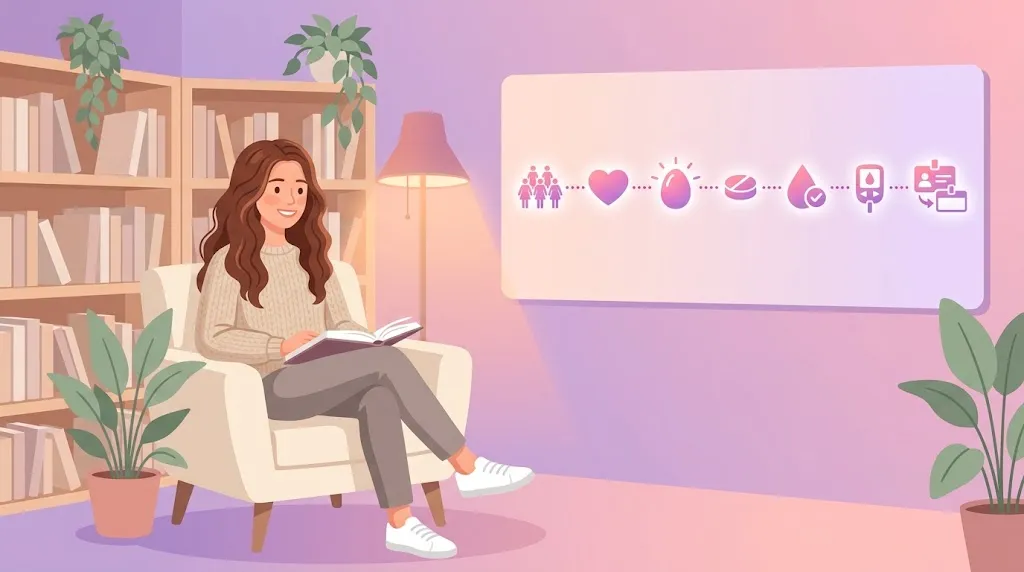
- It’s one of the most common hormone conditions in women. Cleveland Clinic estimates that up to 15 percent of women of reproductive age have it.
- Pregnancy without treatment does happen. The same source notes that many people with PMOS conceive on their own.
- The main obstacle is ovulation. No egg released in a given month means no chance of pregnancy that month.
- Letrozole comes first. The 2023 international PCOS guideline names this tablet as the first choice medicine for ovulation, ahead of clomiphene.
- A regular period isn’t proof you ovulated. A progesterone blood test can confirm it.
- Blood sugar deserves a check before you try. The guideline advises a glucose tolerance test for every woman with PMOS who is planning a pregnancy.
- The new name didn’t change the condition. An old report that says PCOS still applies.
Fact 3 is where things get personal, because PMOS rarely looks the same in two women. One woman gets a period every 60 days and ovulates a handful of times a year. Her cousin, with the same diagnosis, has 32 day cycles and ovulates most months. Their chances are completely different, so the label alone tells you very little. If terms like follicle and luteal phase are new to you, start with our guide to the phases of the menstrual cycle.
PCOS Is Now PMOS: What Changed and What Didn’t
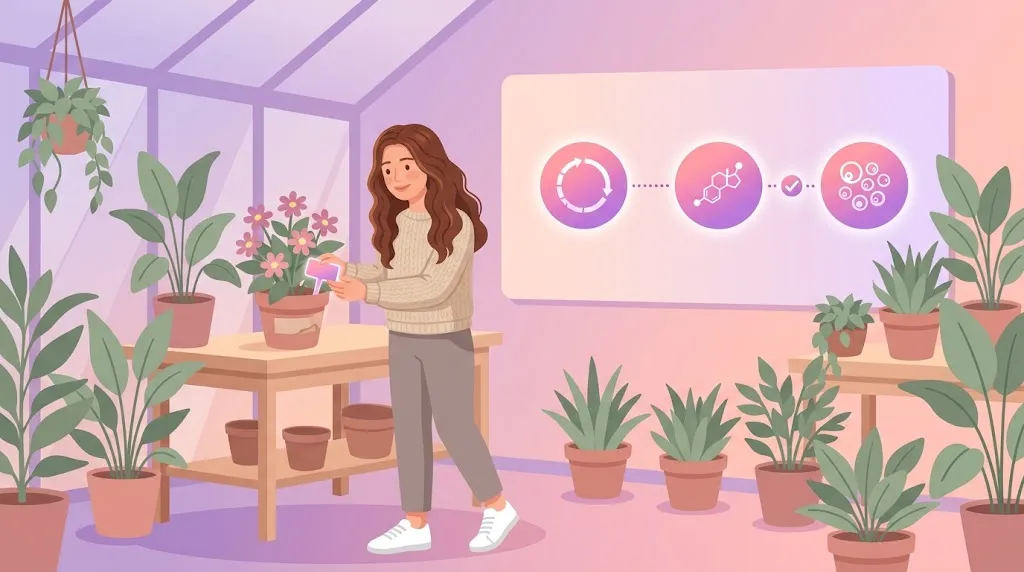
The new name, polyendocrine metabolic ovarian syndrome, was announced in May 2026 and published in The Lancet. Professor Helena Teede of Monash University led the work, alongside experts, health organisations and women living with the condition, as newsGP from the Royal Australian College of General Practitioners reported. AJMC also has a clear summary of the announcement.
The trouble was always the word “polycystic”. Women heard “cysts” and pictured growths that needed removing. Those round shapes on the scan are actually follicles, eggs that started to develop and then stalled, and Professor Teede has said there is no rise in abnormal cysts at all. Meanwhile the parts of the condition that cause long term harm, like insulin resistance and raised male hormones, were easy to overlook. According to the same newsGP report, getting a diagnosis can take up to 12 years.
The new name describes it better: several hormone systems are involved, metabolism is affected, and the ovaries are where it often shows first. Full adoption is planned for the guideline update in 2028, so you’ll see both names for a while.
In practical terms, nothing has changed for you. Doctors still diagnose it when at least two of these three are present, after ruling out other causes such as thyroid disease or high prolactin:
| Sign | What you might notice |
|---|---|
| Irregular or missing periods | Cycles longer than 35 days, or only a few periods a year |
| Higher androgen levels | Acne, extra hair on the face or body, or a blood test showing high testosterone |
| Ovaries with many small follicles | Seen on an ultrasound, or a high AMH result on a blood test |
If your report from 2022 says PCOS, it’s the same diagnosis, and you don’t need new tests.
How PMOS Affects Ovulation and Why Ovulation Tests Can Mislead
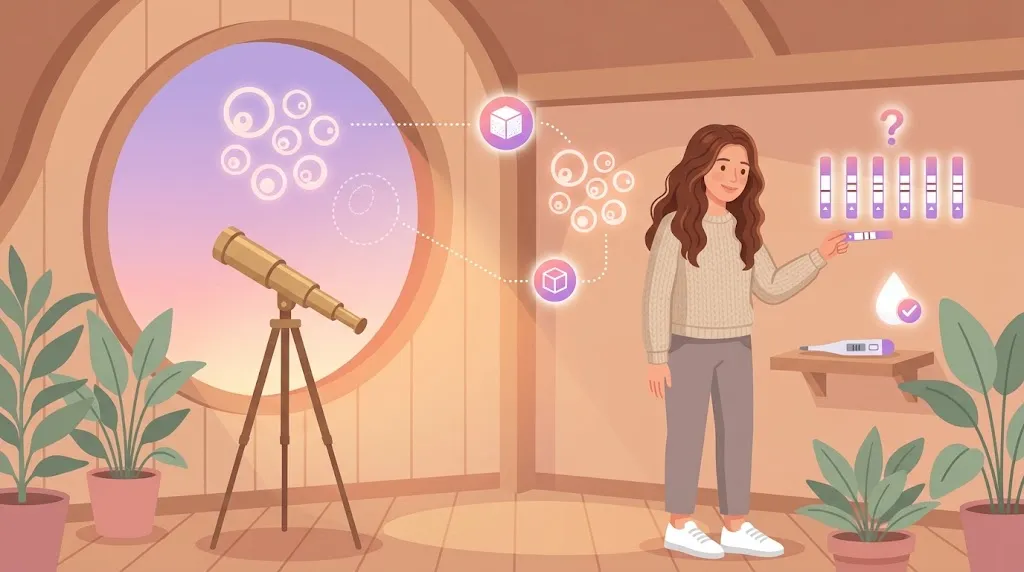
In a typical cycle, a small group of follicles starts growing during the follicular phase. One takes the lead, and around the middle of the cycle it releases an egg. In PMOS, raised androgens and an imbalance in the brain’s signals to the ovary (LH often runs high compared with FSH) stall that process. Several follicles reach a middling size and stop, so no egg is released and the next period comes late.
Insulin makes it worse. With insulin resistance, the pancreas produces extra insulin to keep blood sugar steady, and that extra insulin pushes the ovaries to make more androgens. It’s a loop, and being slim doesn’t protect you from it. Insulin resistance turns up in women with PMOS at every body size.
This matters even more if your family comes from South Asia. Research has found that South Asian women with PMOS tend to have more insulin resistance and metabolic problems than women of many other backgrounds, often at a lower weight. With type 2 diabetes so common in Pakistani families, an early sugar test is simple common sense.
Periods can fool you as well. Some women with PMOS have cycles that arrive roughly on schedule and still skip ovulation now and then. When a doctor needs to know for certain, the 2023 guideline points to a blood test for progesterone, usually taken about a week before your period is due.
Home ovulation kits have their own problem. They detect LH, and plenty of women with PMOS have high LH for much of the month. Imagine a woman on a 45 day cycle who starts testing on day 10 and sees two lines on day 12, then day 13, then again on day 20. You’ll get a clearer picture by combining signs: look for the clear, stretchy kind of cervical mucus, take your temperature each morning (a rise that lasts several days tells you ovulation has happened), and learn the other signs of ovulation. With PMOS, ovulation often comes late in the cycle, which is the usual reason your period is late. See how late a period can be for what counts as normal.
How to Get Pregnant With PMOS: Lifestyle, Tracking and Treatment
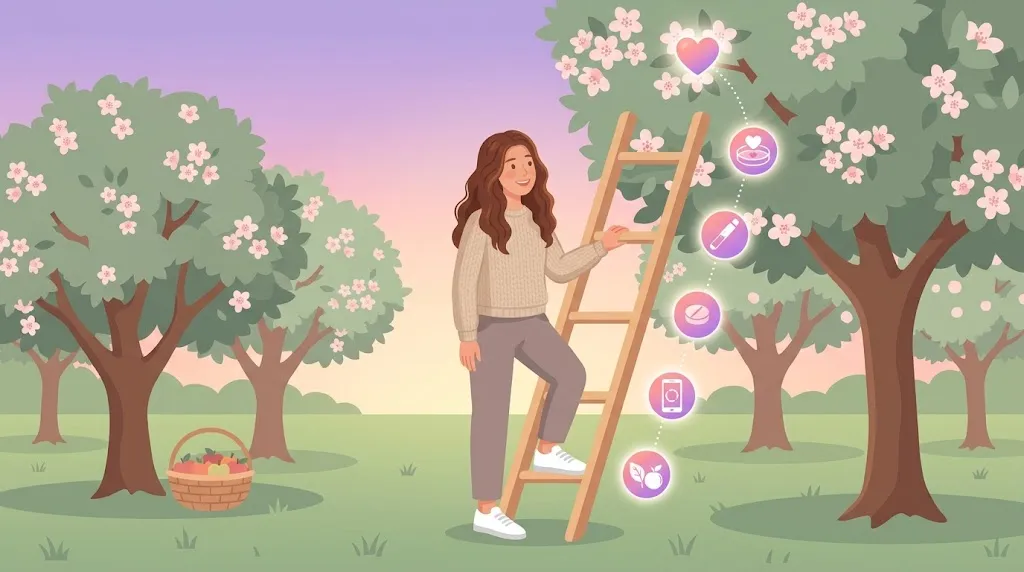
Doctors tend to work up a ladder, gentlest steps first.
Your own habits are the bottom rung. If you’re above a healthy weight, modest weight loss can bring ovulation back for some women. The guideline doesn’t set a magic target, and crash diets do more harm than good. If your weight is already healthy, the focus shifts to meals that keep blood sugar steady, regular movement and enough sleep. Stress counts too, since it can delay ovulation and your period.
A few things belong in the month you decide to start trying. Begin folic acid, and ask your doctor about the strength, because the guideline recommends a higher dose if your BMI is over 30. Go through any regular medicines with a doctor. If you’re using a GLP-1 injection such as semaglutide for weight loss, the manufacturer advises stopping it at least two months before you try to conceive.
Next comes data. Two or three months of period dates, mucus notes and morning temperatures will show whether you ovulate, and roughly when. A gynaecologist will want to see that record, and you can keep it in MyOvly instead of a notebook.
If ovulation still isn’t happening regularly, medicine is the next rung:
| Treatment | What it does | Where it fits |
|---|---|---|
| Letrozole | A tablet that helps the ovary release an egg | First choice in the 2023 guideline. A large NEJM trial found more live births with letrozole than with clomiphene |
| Clomiphene | An older tablet that also triggers ovulation | An option when letrozole isn’t suitable |
| Metformin | Helps the body use insulin better | Can help on its own, though the guideline notes other drugs work better for ovulation; often used for insulin resistance |
| Gonadotropins | Hormone injections that stimulate the ovaries | Usually after tablets haven’t worked; low doses and scans are used because twins are more likely |
| IVF | Eggs are collected and fertilised in a lab | When other treatments haven’t worked, or there’s another fertility problem |
Women with PMOS can respond very strongly to IVF drugs, which raises the risk of ovarian hyperstimulation syndrome (OHSS). Clinics lower that risk with careful dosing, often freezing embryos for a later transfer.
Once you can see roughly when you ovulate, have sex every two or three days across that stretch rather than chasing one perfect day. Sperm can survive for several days, so you can get pregnant on more than just ovulation day. For the timing details, read about how long ovulation lasts and how many days after your period you ovulate.
Tests, Timing and When to See a Doctor

The standard advice, set out by Mayo Clinic, is to see a doctor after 12 months of trying, or after 6 months if you’re 35 or older. With PMOS, there’s little point waiting a year when your periods are already telling you ovulation isn’t happening. Book sooner if you get fewer than eight periods a year, if you’ve gone three months without one, or if you’ve already been diagnosed.
Age works the same way with PMOS as without it. Fertility is highest through the 20s and begins to fall in the mid 30s. That isn’t a reason to panic, just a reason to get checked a year or so before you plan to start.
At a fertility appointment, expect some or all of these:
- A progesterone blood test to confirm ovulation
- Thyroid and prolactin levels, to rule out other causes of irregular periods
- An oral glucose tolerance test, which the guideline recommends for every woman with PMOS planning a pregnancy
- Androgen levels, and sometimes AMH
- A semen analysis for your husband, since fertility problems often involve the man as well
- In some cases, a check that your fallopian tubes are open before ovulation tablets begin
Take a few questions with you, too. Am I ovulating, and how do we know? Which medicine would you start with, and why that one? How many cycles do we try before changing the plan? Should my sugar be tested before we start? Write them down, because appointments go quickly.
Pregnancy With PMOS: Risks, Extra Checks and Emotional Health

A positive test doesn’t end the PMOS story. Cleveland Clinic lists a higher risk of gestational diabetes, high blood pressure and preeclampsia, and notes that preterm birth or a C section can follow when obesity, diabetes or high blood pressure are part of the picture.
In practice, that means a few extra appointments. The international guideline recommends a glucose tolerance test between 24 and 28 weeks for every pregnant woman with PMOS, even if the test before pregnancy was normal. Your blood pressure will be watched more closely too. Cleveland Clinic is clear that most people with PMOS carry their pregnancies successfully.
Then there’s the part that never shows up on a scan. The guideline recommends that doctors screen every adult with PMOS for depression and anxiety, and the Office on Women’s Health describes how the condition reaches well beyond the ovaries. Months of negative tests, questions from relatives at every wedding, comments about weight: it adds up. If you’re struggling, tell your doctor. Your mood is part of your treatment, not a side issue.
Frequently Asked Questions
1. Is it possible to get pregnant with PCOS?
↑2. Can you get pregnant naturally with PCOS?
↓3. How do I know if I’m fertile with PCOS?
↓4. What is the relationship between PCOS and miscarriage?
↓5. What age is peak fertility with PCOS?
↓6. Can you live a normal life with PCOS?
↓7. Can I marry a girl who has PCOS?
↓8. What are PCOS symptoms in an unmarried girl?
↓Conclusion: Your Next Step
So, can you get pregnant with PMOS? For most women the path runs through ovulation: tracking it, confirming it and, when needed, treating it. The earlier you check your cycle and blood sugar, the better.
If you’re trying now: log three cycles, start folic acid and see a gynaecologist without waiting a full year if your periods are irregular. If a negative test and a missing period have you confused, our guide to a period late but not pregnant explains the usual reasons.
If you’re planning for later: ask for a glucose tolerance test and a blood pressure check now, while there’s time to act on the results.
If you’re young or unmarried and recognise the symptoms: book a check up anyway. Treating PMOS early protects your long term health, not just your fertility.
Medical disclaimer: This article is for general education only and is not a substitute for medical advice, diagnosis or treatment. Every woman with PMOS is different. Please speak with a doctor or a qualified healthcare provider about your symptoms, fertility plans and any treatment.
References & Further Reading
- Cleveland Clinic: Polyendocrine Metabolic Ovarian Syndrome (PMOS)
- International PCOS Guideline: International Evidence Based Guideline for the Assessment and Management of PCOS (2023 Summary)
- newsGP (RACGP): PCOS Officially Renamed Polyendocrine Metabolic Ovarian Syndrome
- AJMC: PCOS Renamed PMOS in Landmark Shift
- New England Journal of Medicine: Letrozole versus Clomiphene for Infertility in the Polycystic Ovary Syndrome (2014)
- Mayo Clinic: Infertility: Symptoms and Causes
- Office on Women’s Health: Polycystic Ovary Syndrome