Can PCOS be cured? No permanent cure exists yet, but you can control PCOS so well that periods turn regular, skin clears and pregnancy happens. The World Health Organization and Mayo Clinic both say there is no cure, and both say treatment reduces symptoms and protects your long term health. One group of women gets better news: if a thyroid problem or another hormone condition is causing PCOS like symptoms, treating that cause can clear them for good.
Type “can PCOS be totally cured” into Google and you’ll find posts claiming someone reversed it in 30 days. This guide sorts what holds up from what doesn’t, using sources you can check yourself.
Can PCOS Be Cured? The Short Answer

PCOS, short for polycystic ovary syndrome, now also goes by the name PMOS, after an international panel renamed it in 2026 (newsGP). The new name changed nothing about treatment, and it didn’t bring a cure.
The WHO fact sheet states it in one line: there is no cure at present, but lifestyle changes, medicines and fertility treatment can reduce symptoms, raise fertility rates and protect your health later in life. Mayo Clinic says treatment focuses on managing symptoms and cutting the risk of heart disease and diabetes.
Is PCOS permanent, then? The tendency stays with you. The symptoms you see each month can shrink to almost nothing. Can PCOS be healed for good, so it never returns? No treatment available today does that. Women on Reddit’s PCOS forum describe the same pattern in their own words: when they keep up their routine and treatment, PCOS stays under control, and when they stop, the symptoms return.
WHO estimates that PCOS affects 10 to 13 percent of women of reproductive age, and up to 70 percent of them don’t know they have it. A diagnosis gives you a head start, because you can begin managing it years before problems build up.
Why PCOS Has No Permanent Cure Yet
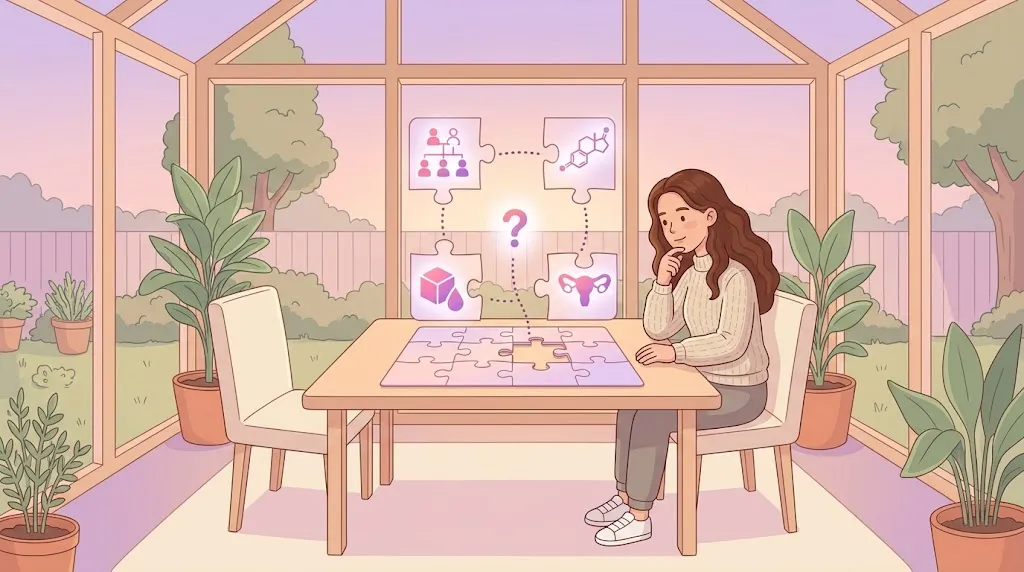
Doctors can’t cure a condition while its exact cause stays unknown, and WHO lists the cause of PCOS as unknown. The condition runs in families, and women with a parent or sister who has PCOS or type 2 diabetes face a higher risk.
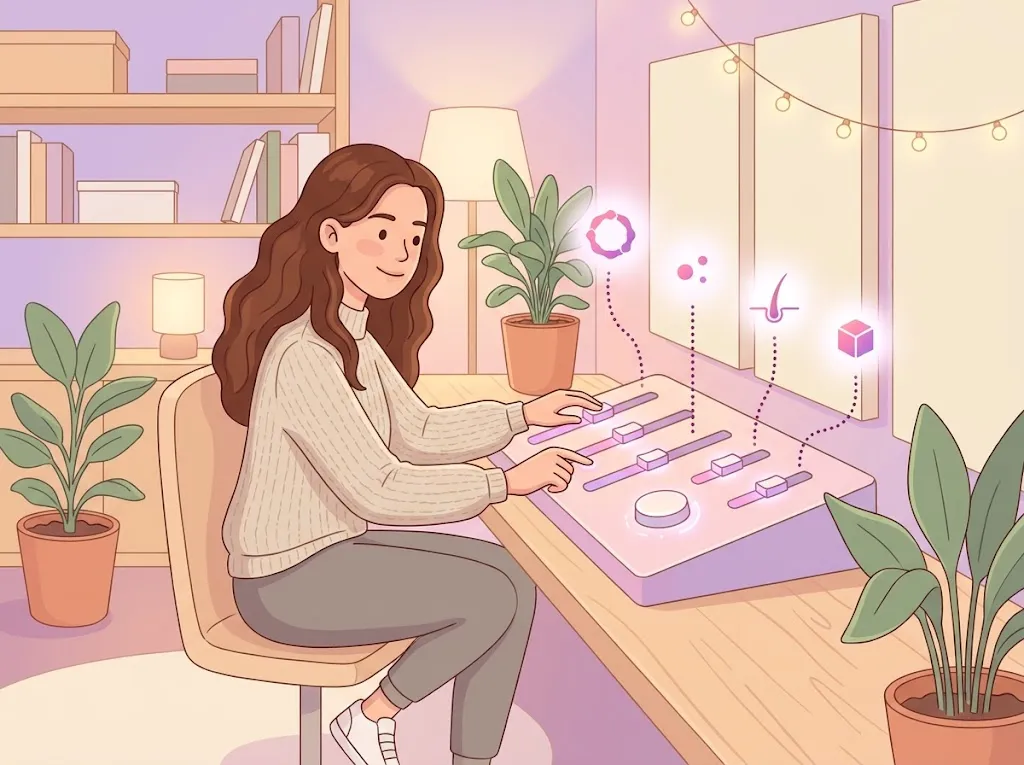
PCOS also works on several body systems at once. Hormone signals push androgen levels above normal, which disrupts ovulation and brings acne or extra hair. Some women get long gaps between periods, and WHO notes that others get heavy or painful periods instead. Many women also have insulin resistance, where the body needs extra insulin to keep blood sugar steady. WHO calls PCOS “a chronic metabolic condition”, and it notes that the condition continues beyond the reproductive years.
A single tablet can switch off one part of that picture. A birth control pill can bring regular bleeding, and metformin can help blood sugar. Neither one resets the whole system, so if you stop treatment, the original pattern tends to return. You can get cured from an infection because the germ leaves your body. PCOS has no germ to remove, so no doctor can promise you’ll get cured from PCOS with one course of treatment.
When PCOS Symptoms Can Be Cured: Conditions That Look Like PCOS
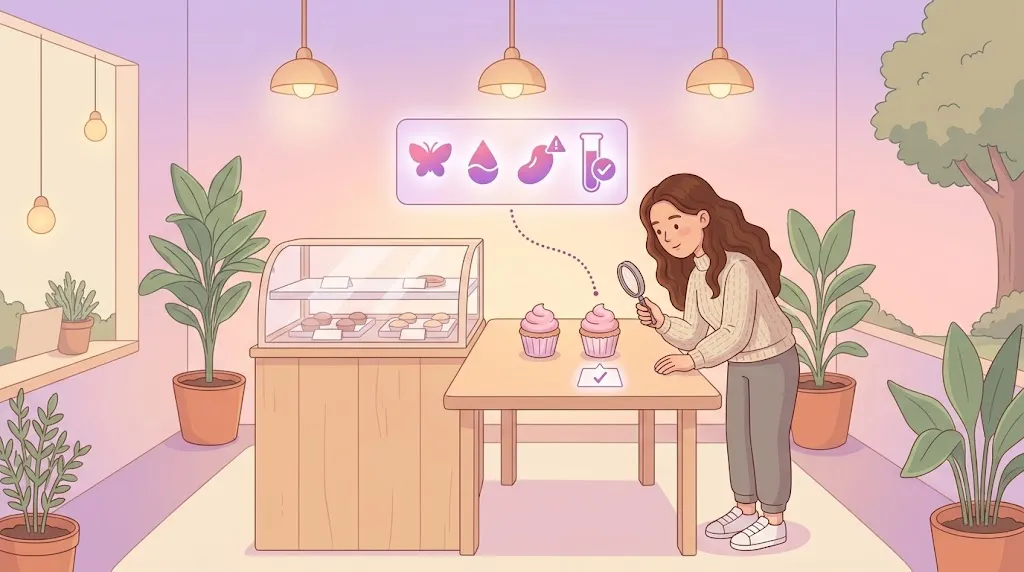
Some women get a PCOS label when another condition is producing the same signs. A 2019 review in the Journal of Obstetrics and Gynaecology of India calls this “secondary PCOS” and describes it as rare but “completely curable”, because doctors can treat most of the underlying causes (Khadilkar, 2019).
The review discusses causes such as these:
- Hypothyroidism. An underactive thyroid can stop ovulation and make the ovaries look polycystic on a scan. Thyroid tablets can fix the problem.
- High prolactin. Raised levels of this hormone can disturb periods. The review notes high prolactin in about 6 percent of women with excess hair growth.
- Congenital adrenal hyperplasia. This inherited condition makes the adrenal glands produce extra androgens and can look a lot like PCOS.
WHO’s diagnostic rules require doctors to exclude other causes before they confirm PCOS. If your diagnosis came from one ultrasound and no blood tests, ask your doctor whether your thyroid, prolactin and adrenal hormones were checked. That single question can change your whole treatment plan. If a late or missing period first sent you to the doctor, our guides on why your period is late, how late a period can be and a period late but not pregnant explain other common causes.
Can PCOS Go Away on Its Own? Remission, Pregnancy and Menopause
PCOS doesn’t vanish on its own, but it can go quiet. WHO notes that a woman’s symptoms may change over time, so you might have a bad year in your 20s and a calm stretch in your 30s.
| Area | With steady management | If you stop |
|---|---|---|
| Periods | Cycles can become regular or predictable | Long or missing cycles often return |
| Acne and extra hair | Pills or androgen blockers can reduce them | Symptoms tend to come back |
| Blood sugar and weight | Insulin works better and diabetes risk drops | Insulin resistance can build up again |
| Ovulation and fertility | Many women ovulate again, with or without medicine | Ovulation may become irregular again |
| The underlying condition | Stays in the background | Stays in the background |
Pregnancy doesn’t cure PCOS. Some women notice more regular cycles after a baby, but the tendency remains, and Cleveland Clinic lists higher risks of gestational diabetes and high blood pressure during pregnancy. If you’re planning a baby, read our guides on whether you can get pregnant with PMOS and the best age to get pregnant with PCOS.
Menopause ends periods, so the cycle symptoms fade. The metabolic side stays. WHO says PCOS persists beyond the reproductive years and links it to type 2 diabetes, high blood pressure, high cholesterol, heart disease and sleep apnea. WHO also points out that irregular periods are normal in perimenopause, so doctors look at the full picture before blaming PCOS at that age.
What Treatment Can Do: Lifestyle, Medicines and Surgery
Treatment depends on your goal. A 17 year old with acne needs a different plan from a 30 year old trying for a baby, and WHO recommends shared decisions between you and your doctor.
| Your goal | Options doctors use | What to know |
|---|---|---|
| Regular periods | Combined birth control pills, or progestin for 10 to 14 days every 1 to 2 months | Mayo Clinic notes progestin also protects the womb lining from cancer |
| Less acne and facial hair | Combined pills, androgen receptor blockers, hair removal | Blockers are not safe in pregnancy, so doctors pair them with contraception |
| Getting pregnant | Lifestyle changes, letrozole, other ovulation medicines, surgery, IVF | The 2023 guideline names letrozole as the first choice medicine |
| Blood sugar and weight | Healthy eating, activity, metformin, weight loss medicines in some cases | Mayo Clinic says metformin may delay type 2 diabetes in women with prediabetes |
| Long term health | Regular checks of blood sugar, blood pressure and cholesterol | WHO advises insulin resistance and heart risk testing after diagnosis |
Many women search for a way to cure PCOS permanently at home, or to get rid of PCOS permanently with diet alone. Lifestyle can’t remove the condition, but it’s the part of treatment you control. Mayo Clinic says losing even 5 percent of body weight can improve PCOS symptoms in women with overweight, and that research hasn’t shown one diet works better than another for weight loss. WHO adds that healthy eating and activity help all women with PCOS, even when the scale doesn’t move. Your weight also shifts across the month, so read about luteal phase weight gain before you judge progress by one weigh in. Stress and poor sleep can also delay your period, so they deserve attention too.
Tracking helps you see whether a treatment works. If you log your periods, your cervical mucus and other signs of ovulation, you and your doctor can tell within a few months whether ovulation has returned. Women with PCOS often ovulate late in the cycle, so a long cycle with ovulation still counts as progress. MyOvly keeps that record on your phone.
Surgery has a small role. WHO lists surgery among the options to stimulate ovulation, and doctors may suggest ovarian drilling, a keyhole procedure on the ovaries, when ovulation tablets fail. It can help ovulation, but it doesn’t touch the insulin and metabolic side of PCOS.
PCOS Cure Myths to Avoid

Online “cure” claims tend to follow a few patterns. Spotting them saves you money and disappointment.
“Cure PCOS in 30 days.” No program can leave PCOS cured completely, in 30 days or 300, because no treatment removes the condition. Symptoms such as cycle length or acne can improve within months, and that improvement lasts as long as the habits or treatment last.
“This supplement heals PCOS.” Brands often write PCOS articles and sell supplements on the same page. Ask your doctor before you take any supplement, and take extra care while trying to conceive, and look for evidence from independent sources rather than the seller.
“Detox teas and cleanses flush out PCOS.” Your liver and kidneys already clear waste. A detox plan can’t change androgen levels or insulin resistance.
“PCOS is a lifestyle disease.” WHO describes the cause as unknown and notes the family link. Habits shape your symptoms, but you didn’t cause your PCOS, and blaming yourself won’t help you manage it.
“Removing the ovaries gets rid of PCOS permanently.” Removing healthy ovaries isn’t a PCOS treatment. It would end natural fertility and bring early menopause, and the metabolic risks WHO describes would remain.
Thin hair, weight changes and long cycles can wear you down. WHO notes that women with PCOS face higher rates of anxiety, depression, eating disorders and poor body image, and that social stigma adds to the strain. If low mood or food worries are growing, tell your doctor. That help counts as PCOS treatment too.
Frequently Asked Questions
1. Can PCOS go away on its own?
↓2. Can I get pregnant if I have PCOS?
↓3. Can people with PCOS live a normal life?
↓4. What is the best way to treat PCOS?
↓5. What is PCOS 1st stage?
↓6. What foods should I avoid with PCOS?
↓7. Can PCOS be cured at an early stage?
↓8. Can PCOS be cured by surgery?
↓Conclusion: What This Means for You
Can PCOS be cured? Not yet. You can still reach a point where PCOS has little effect on your daily life, and that outcome depends on steady management rather than a one time fix.
PCOS can’t be treated permanently with one fix, so your next step depends on where you are. If you have a fresh diagnosis, ask whether your thyroid, prolactin and adrenal hormones were tested, because a treatable look alike condition changes everything. If you know you have PCOS, pick one goal with your doctor, such as regular periods, clearer skin or a pregnancy, and track your cycle for three months to see what’s working. If you’re tired of chasing a cure, aim for control instead, and book yearly checks for blood sugar, blood pressure and cholesterol. For more on how your hormones move through the month, see our guide to the menstrual cycle phases.
Medical disclaimer: This article is for general education only and is not a substitute for medical advice, diagnosis or treatment. Every woman with PCOS is different. Please speak with a doctor or a qualified healthcare provider about your symptoms and any treatment.
References & Further Reading
- World Health Organization: Polycystic Ovary Syndrome Fact Sheet
- Mayo Clinic: PMOS: Diagnosis and Treatment
- Journal of Obstetrics and Gynaecology of India (Khadilkar, 2019): Can Polycystic Ovarian Syndrome Be Cured? Unfolding the Concept of Secondary PCOS
- International PCOS Guideline: International Evidence Based Guideline for PCOS (2023 Summary)
- New England Journal of Medicine: Letrozole versus Clomiphene for Infertility in the Polycystic Ovary Syndrome (2014)
- Cleveland Clinic: Polyendocrine Metabolic Ovarian Syndrome (PMOS)
- newsGP (RACGP): PCOS Officially Renamed Polyendocrine Metabolic Ovarian Syndrome