
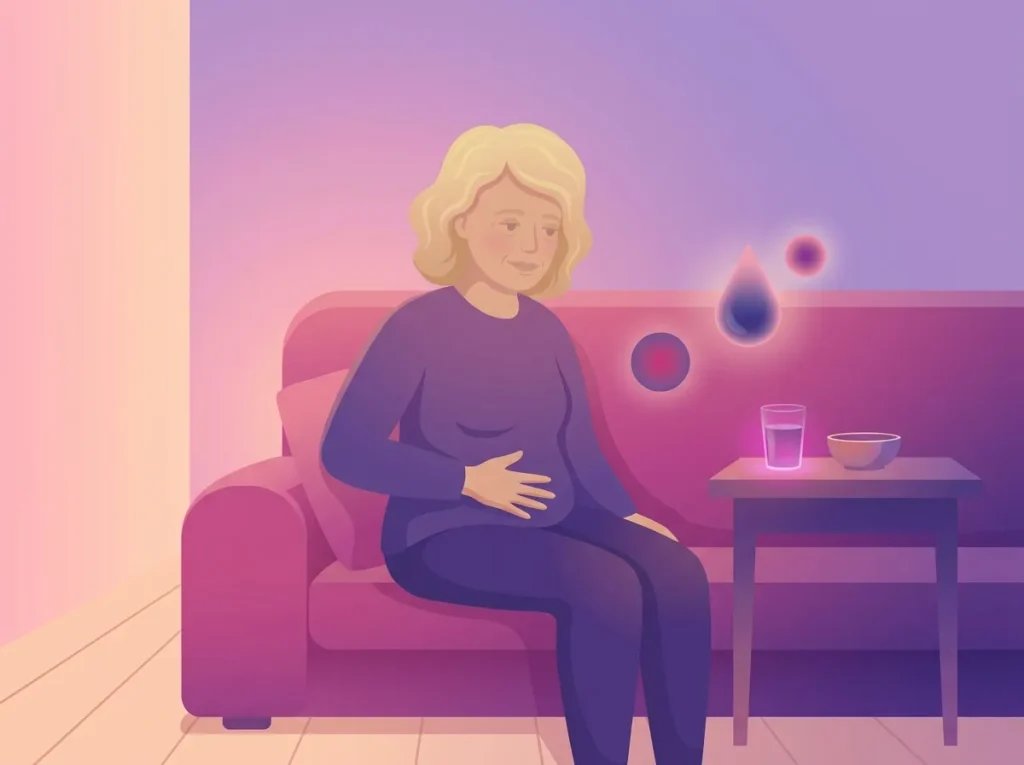
Seeing the number on the scale rise before your period can be confusing, especially when your eating and exercise habits haven’t changed much. You step on the scale, the number is higher than usual, your jeans feel tighter around the waist, and you start wondering what you did wrong. In most cases, you didn’t do anything wrong at all.
Luteal phase weight gain is one of the most commonly reported, and most commonly misunderstood, patterns in the menstrual cycle. It typically shows up in the one to two weeks before your period, often alongside bloating, breast tenderness and stronger food cravings. Understanding what’s actually happening in your body during this window can take a lot of the stress out of it.
This guide walks through why weight gain tends to cluster around the luteal phase, what’s fluid versus fat, which symptoms are considered typical, and what you can reasonably do to feel more comfortable while your hormones settle back down.
What Is the Luteal Phase?
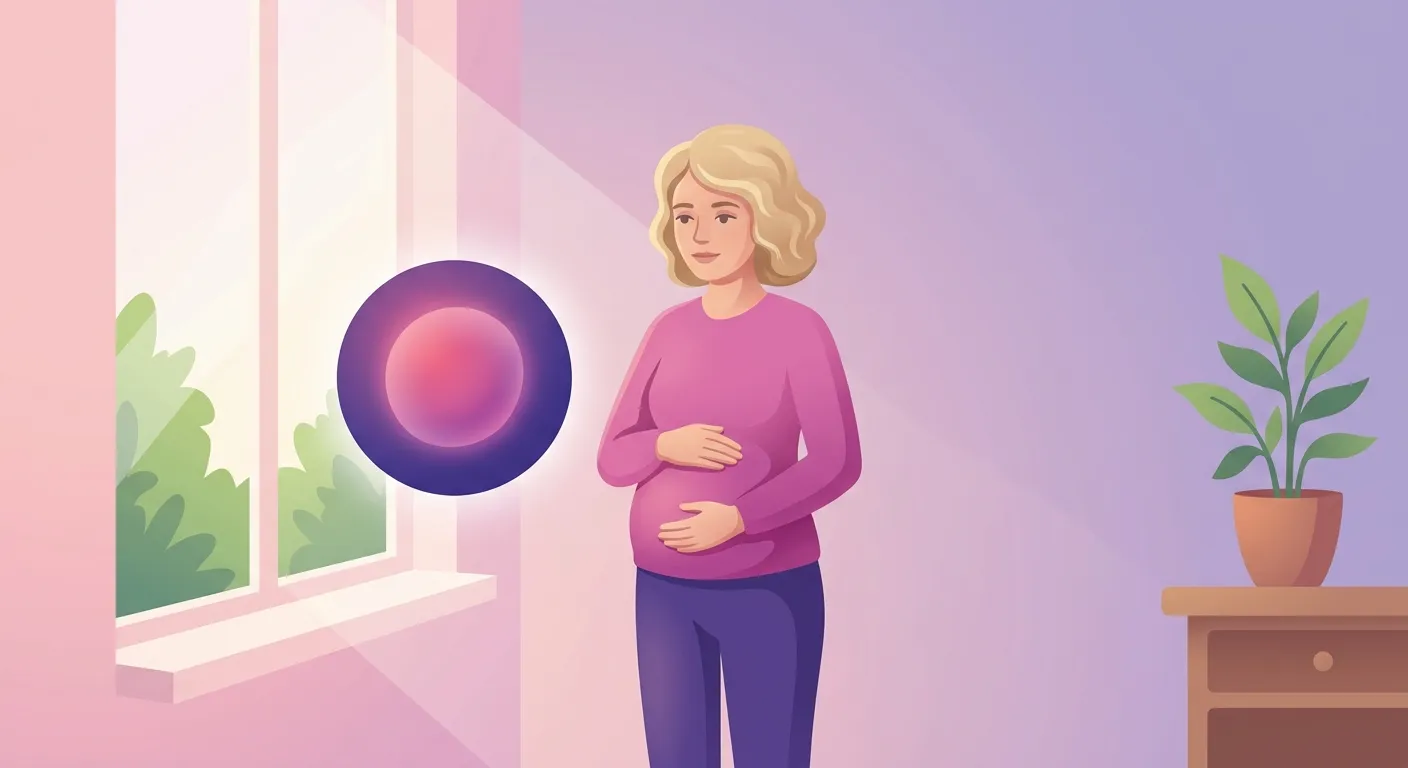
The luteal phase is the second half of your menstrual cycle. It begins right after ovulation and ends when your period starts. For most people, this phase lasts somewhere around 12 to 14 days, though the exact length can vary from one person to the next and even from one cycle to another.
During this stage, the follicle that released an egg at ovulation transforms into a temporary structure called the corpus luteum. According to Cleveland Clinic, the corpus luteum produces progesterone along with some estrogen, and rising progesterone levels help thicken the lining of the uterus in preparation for a possible pregnancy.
If you’ve already read our guide to the follicular phase after period, you’ll recognize the luteal phase as the second act of the same story. The follicular phase builds toward ovulation, and the luteal phase is what follows it. If pregnancy doesn’t occur, progesterone and estrogen both drop toward the end of the luteal phase, which triggers your next period and starts the cycle over again.
It’s worth understanding where this phase sits within the bigger picture too. Our overview of menstrual cycle phases breaks down how the follicular phase, ovulation, the luteal phase and menstruation all connect, which can help make sense of why symptoms cluster the way they do.
Why the Luteal Phase Feels Different
Unlike the follicular phase, where rising estrogen often coincides with more energy and lighter, stretchier cervical mucus, the luteal phase involves a very different hormonal environment. Progesterone becomes the dominant hormone here, and it behaves quite differently in the body than estrogen does. That shift is largely responsible for the physical changes many people notice in the days leading up to their period.
Why Does Weight Gain Happen During the Luteal Phase?
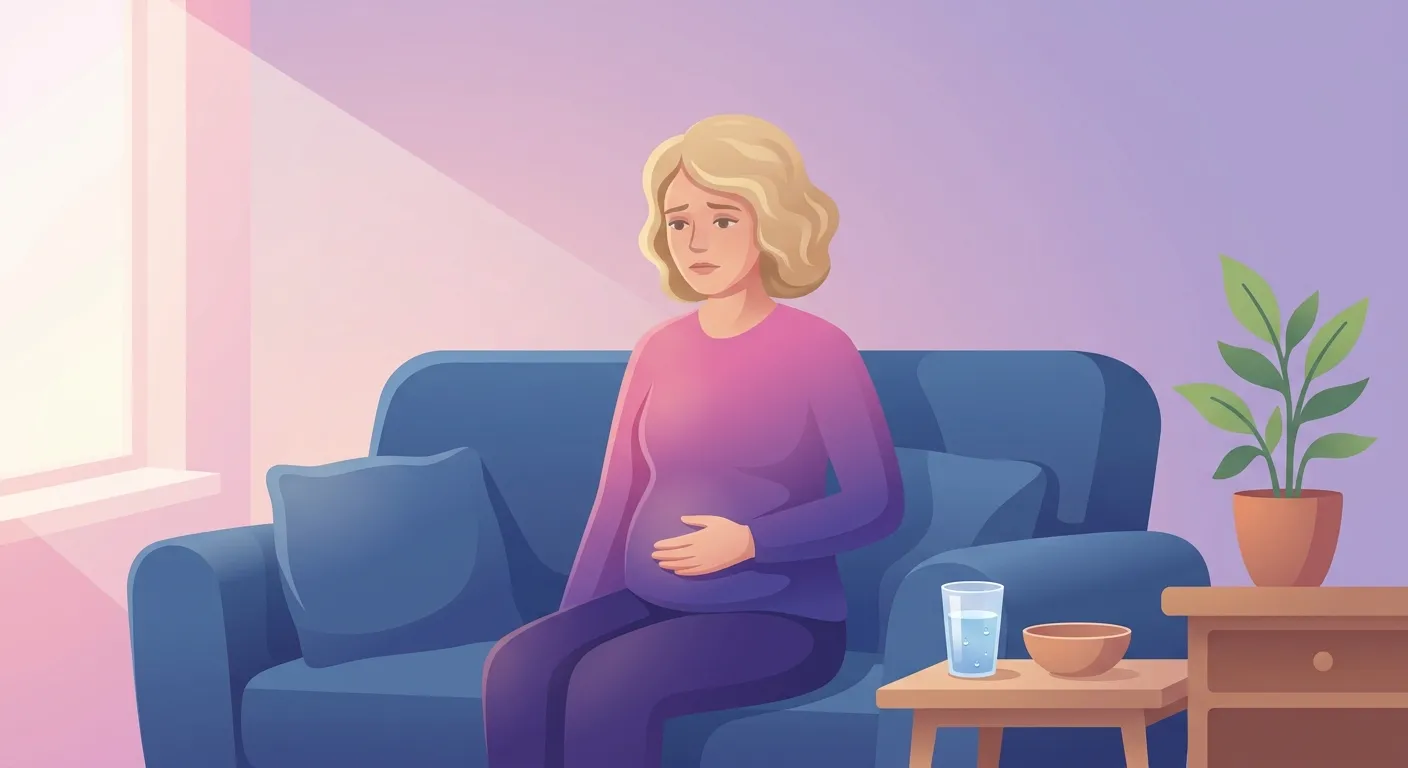
There isn’t one single cause. Instead, a few overlapping mechanisms tend to show up around the same time, which is part of why the experience can feel so noticeable.
Water and Fluid Retention
Progesterone influences how your kidneys handle sodium and water. As progesterone rises during the luteal phase, some people retain more fluid than usual, which can show up as puffiness, a fuller feeling in the abdomen, or a slightly higher number on the scale. This kind of water weight is temporary and tends to ease once your period begins and hormone levels shift again.
Slower Digestion
Progesterone also has a relaxing effect on smooth muscle, including the muscle in your digestive tract. This can slow down how quickly food moves through your gut, which may contribute to constipation, gas and a sense of fullness. None of this reflects an actual increase in body fat, but it can absolutely make your stomach look and feel different.
Appetite and Food Cravings
Many people notice they’re hungrier or more drawn to certain foods, particularly carbohydrates and sweets, in the days before their period. A 2025 study published through the National Library of Medicine’s PMC database looked at premenstrual symptoms and food craving patterns across the menstrual cycle and found that hormonal shifts in the luteal phase are associated with increased hedonic hunger and stronger cravings for specific foods. If you’re eating somewhat more than usual during this window, that alone can contribute to a small, temporary increase on the scale.
Blood Sugar and Insulin Sensitivity
Some research suggests insulin sensitivity may shift slightly during the luteal phase, which can influence hunger cues and how your body stores glycogen alongside water. This isn’t the same as a metabolic problem. It’s a normal part of the hormonal rhythm for many cycles, though the degree to which people notice it varies quite a bit.
Is Luteal Phase Weight Gain Actually Fat Gain?
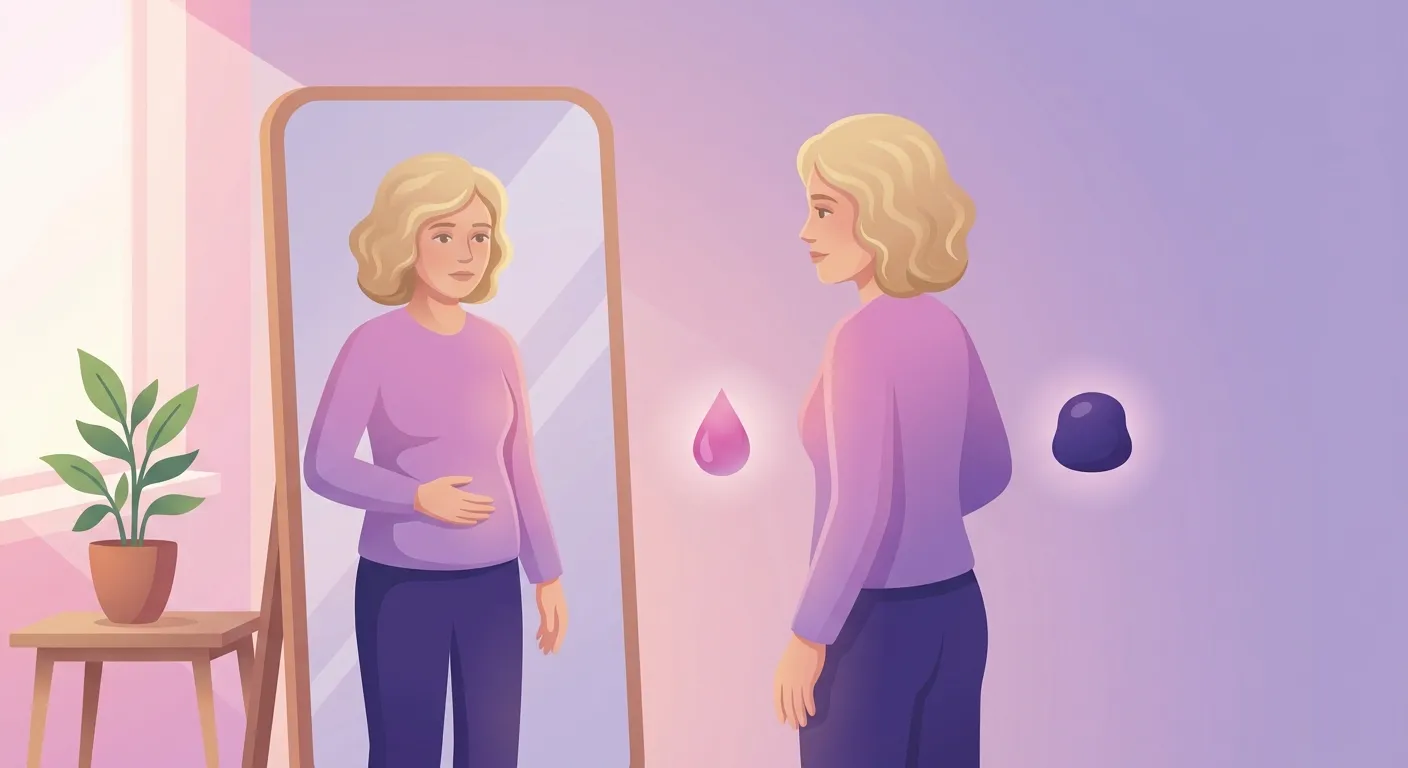
This is probably the question readers care about most, and the honest answer is: usually not, at least not in the way people fear.
Most of what shows up on the scale during the luteal phase reflects fluid retention, digestive changes and glycogen storage rather than an increase in body fat. Mayo Clinic lists weight gain related to fluid retention as one of the recognized physical symptoms of premenstrual syndrome, distinct from long term changes in body composition.
That distinction matters. Fat gain happens gradually, over weeks and months, as a result of a sustained calorie surplus. Luteal phase weight changes happen quickly, often within days, and typically resolve on their own within the first few days of your next period. If the number on the scale goes up by a pound or two before your period and comes back down shortly after it starts, that pattern is consistent with temporary fluid shifts rather than fat gain.
This doesn’t mean every fluctuation you notice is automatically hormonal. Eating more than usual during a craving heavy week can genuinely add calories, and over time, repeated patterns like that can contribute to gradual weight changes. The point isn’t that luteal phase weight gain is imaginary. It’s that most of it is temporary, and it isn’t a sign that something has gone wrong with your body.
Common Luteal Phase Symptoms
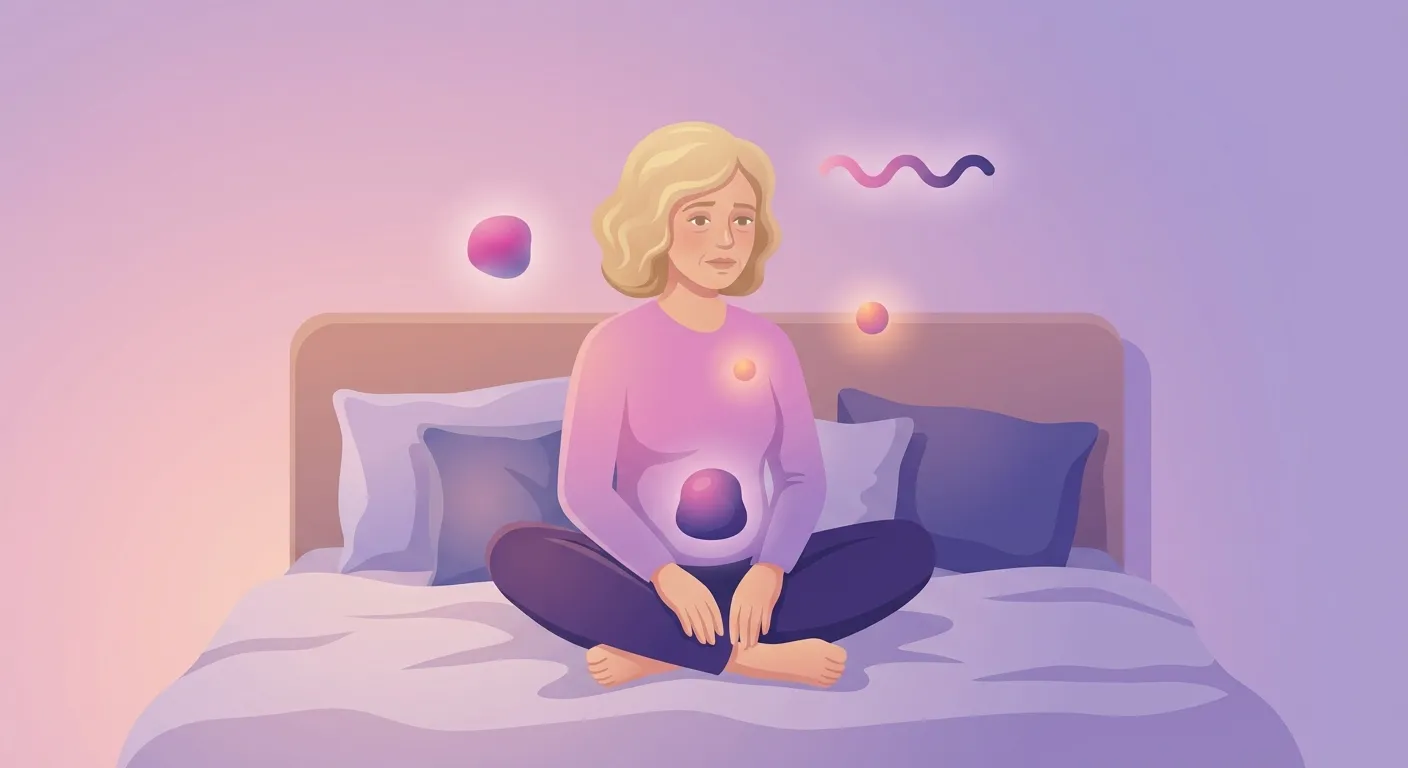
Weight gain rarely shows up alone. It tends to travel with a cluster of other premenstrual symptoms, and recognizing the full pattern can help you tell the difference between an ordinary luteal phase and something that might be worth discussing with a healthcare professional.
According to the NHS, common symptoms of premenstrual syndrome include mood swings, feeling anxious or irritable, tiredness or trouble sleeping, bloating or tummy pain, breast tenderness, headaches, changes in skin, and changes in appetite.
Other symptoms people frequently report during the luteal phase include:
| Symptom | What it typically involves during the luteal phase |
|---|---|
| Breast tenderness or swelling | Often linked to the same hormonal shifts driving fluid retention |
| Constipation or sluggish digestion | A general slowdown in digestion experienced due to changing hormone levels |
| Lower energy or fatigue | Increased tiredness or reduced stamina in the final days before a period |
| Food cravings | Particularly for salty or sugary foods as the body responds to hormonal changes |
| Mild mood changes | Ranging from irritability to a low mood that typically lifts once bleeding starts |
Johns Hopkins Medicine notes that PMS symptoms are thought to be related to the changing hormone levels of the menstrual cycle, and that they usually ease once the period begins. Symptom severity varies enormously between individuals, and even within the same person, one cycle can feel noticeably different from the next.
How Much Weight Can You Gain Before Your Period?
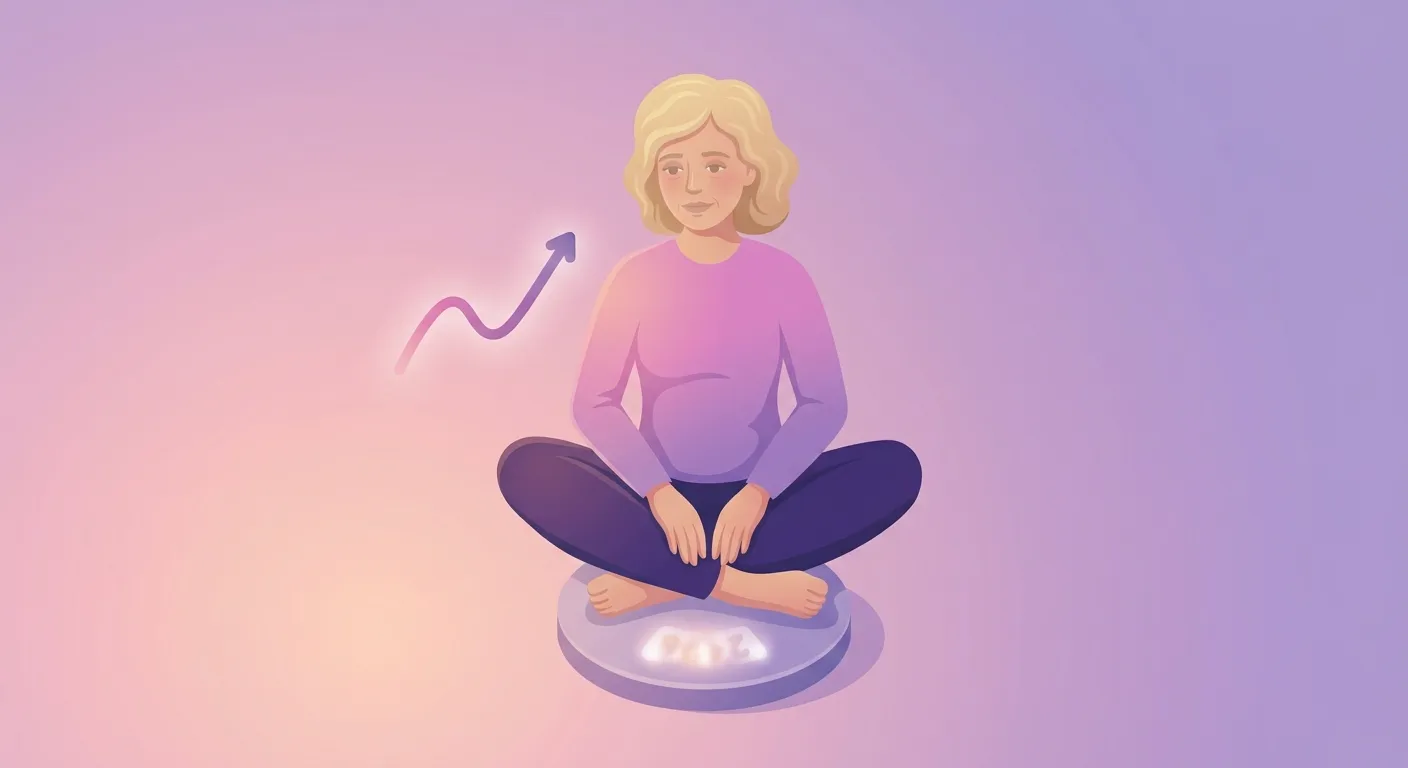
There’s no single number that applies to everyone, and it’s worth being cautious about any source that gives you a precise figure as though it were universal. What research does suggest is that weight changes in the luteal phase tend to be modest, often in the range of a pound or two of water weight, though some people notice more and others notice very little.
MedlinePlus describes premenstrual syndrome symptoms as beginning during the second half of the menstrual cycle and typically resolving one to two days after the period starts, which is a useful way to think about timing even if the exact number on the scale varies from person to person.
A few things influence how much you might notice:
- Sodium intake. Higher sodium intake in the days leading up to your period can make fluid retention more noticeable.
- Baseline symptom pattern. Some people are simply more sensitive to hormonal fluctuations than others, and that sensitivity tends to be consistent cycle to cycle.
- Stress and sleep. Poor sleep and high stress can amplify how premenstrual symptoms feel, even if they don’t directly cause more fluid retention.
- Individual hormone sensitivity. The same hormone levels can produce very different physical responses in different people, which is part of why comparing your experience to someone else’s often isn’t useful.
If you track your cycle over several months, you may start to notice your own personal pattern, which tends to be far more useful than any generic number.
How to Manage Luteal Phase Bloating and Weight Changes
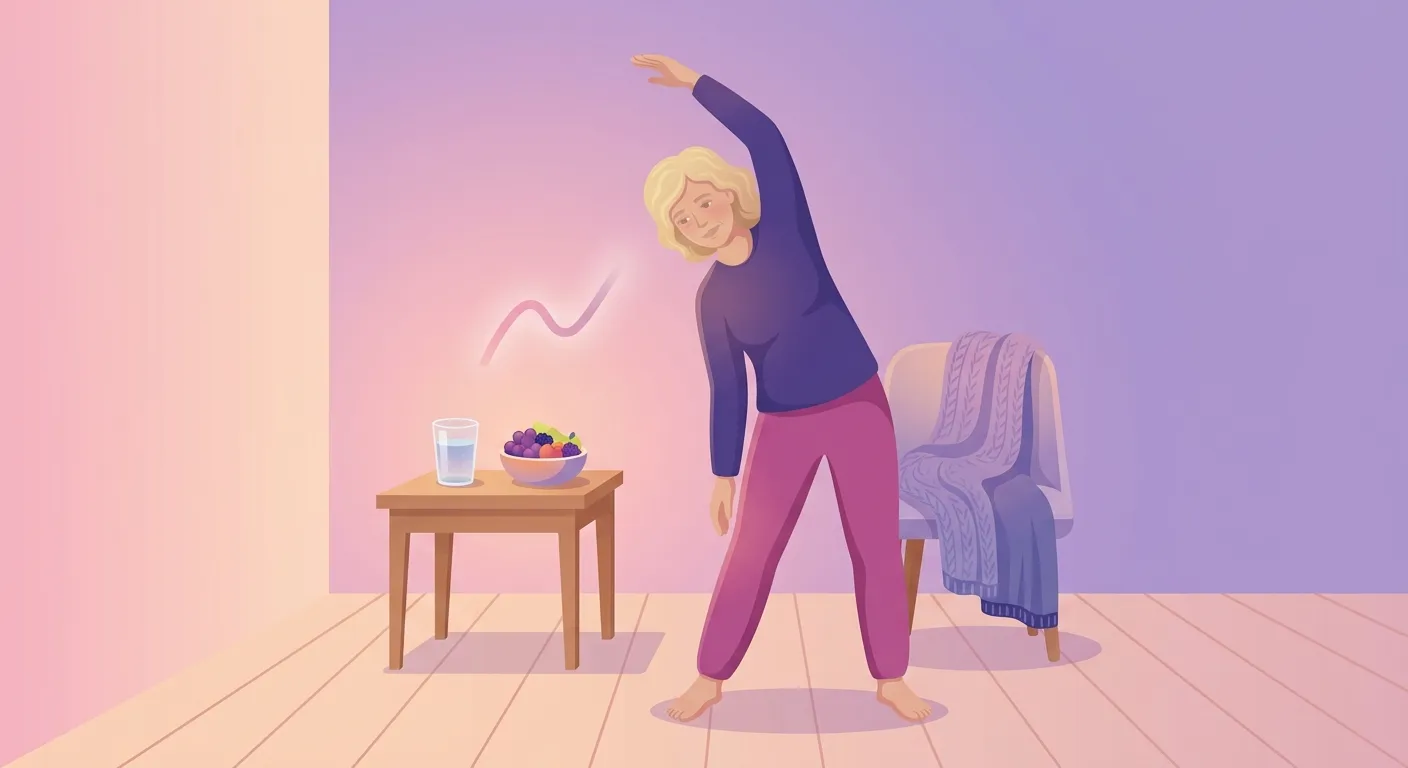
None of the following will eliminate luteal phase symptoms entirely, since they’re a normal part of a hormone driven process, but they may help take the edge off for some people.
Watch Sodium, Not Calories
Rather than restricting food intake, it can help to pay closer attention to sodium. Very salty foods can pull more water into your tissues, which may make bloating and puffiness more noticeable. Balancing meals with more fruits, vegetables and whole grains, alongside adequate hydration, is generally a more sustainable approach than cutting calories during a week when your appetite may naturally be higher.
Stay Hydrated
It can feel counterintuitive, but drinking enough water may actually help your body hold onto less excess fluid, rather than more. Dehydration can prompt the body to conserve water even more aggressively.
Move Your Body Gently
Regular movement, even something as simple as walking, can support digestion and circulation, both of which may ease bloating. The NHS lists regular exercise among the things that can help manage PMS symptoms more broadly, alongside a balanced diet and adequate sleep.
Prioritize Sleep and Stress Management
Sleep and stress don’t directly cause fluid retention, but poor sleep and chronic stress can make every premenstrual symptom feel more intense. Simple, consistent routines around bedtime and basic stress relief techniques such as gentle movement or breathing exercises may make the whole phase more manageable.
Track Your Cycle
Because luteal phase symptoms follow a fairly predictable pattern for most people, tracking your cycle over a few months can help you anticipate rather than be surprised by them. MyOvly can help you log your periods, symptoms and weight related patterns in one place, so you can look back and see how your own luteal phase tends to unfold rather than guessing each month.
Be Cautious with Supplements
You may come across suggestions online for magnesium, calcium or other supplements marketed for premenstrual bloating. Some limited research has explored these, but supplements aren’t appropriate for everyone, and they can interact with medications. If you’re considering adding a supplement, it’s worth discussing it with a doctor or pharmacist first rather than starting on your own.
When Should You Talk to a Healthcare Professional?
Mild, predictable weight and bloating changes before your period are common and usually don’t require medical attention. That said, there are situations where it’s worth reaching out to a healthcare professional rather than assuming everything is routine hormonal fluctuation.
Consider speaking with a doctor if you notice:
- Weight gain that doesn’t resolve within a few days of your period starting
- Symptoms severe enough to interfere with work, relationships or daily functioning
- Sudden or unexplained changes to your usual cycle pattern
- Persistent, severe bloating accompanied by pain
- Significant mood changes, including symptoms of depression or anxiety that feel disproportionate to your usual premenstrual experience
- Ongoing weight gain that continues to build cycle after cycle, rather than resolving each month
The NHS recommends seeing a GP if lifestyle changes haven’t helped and PMS symptoms are affecting your daily life, since a healthcare professional can review your specific pattern and discuss options that go beyond general lifestyle advice. This article can’t diagnose what you’re experiencing, and if anything feels outside your usual pattern, a professional evaluation is the right next step.
Frequently Asked Questions
1. Does everyone gain weight during the luteal phase?
↑2. How much weight gain is normal before your period?
↓3. Is luteal phase weight gain the same as bloating?
↓4. How long does luteal phase weight gain last?
↓5. Can diet or exercise stop luteal phase weight gain completely?
↓6. When should luteal phase weight gain be checked by a doctor?
↓Conclusion
Luteal phase weight gain is real, common and, for most people, temporary. The rise in progesterone after ovulation encourages fluid retention, slows digestion and can influence appetite, all of which can nudge the number on the scale upward without reflecting any actual change in body fat. Understanding this pattern, rather than reacting to it with restriction or worry, tends to be the more useful approach.
Everyone’s luteal phase looks a little different, and paying attention to your own pattern over a few cycles is more informative than comparing yourself to a generic timeline. If your symptoms are mild and predictable, simple habits around sodium, hydration, movement and sleep may help you feel more comfortable. If something feels different from your usual pattern, or your symptoms are affecting your daily life, that’s a reasonable moment to bring it up with a healthcare professional.
Medical disclaimer: This article is for general educational purposes and is not a substitute for personalized medical advice. If you have concerns about your weight, menstrual cycle or premenstrual symptoms, speak with a qualified healthcare professional.