If your bleeding has just stopped and you’re wondering what your body is doing next, you’re not alone. “Follicular phase after period” is one of the most common ways people search for this part of the cycle, because it’s the point where the visible sign of your period ends but a lot is still going on underneath.
Technically speaking, the follicular phase doesn’t start once your period ends. It actually begins on day one of your period, the first day of bleeding, and the two overlap. What people usually mean when they ask about the follicular phase “after” their period is: what happens once the bleeding has stopped but ovulation hasn’t happened yet.
This guide walks through that distinction clearly, then covers what’s happening with your hormones, how long this phase typically lasts, what symptoms you might notice, and how it connects to ovulation and your fertile window.
What Is the Follicular Phase?
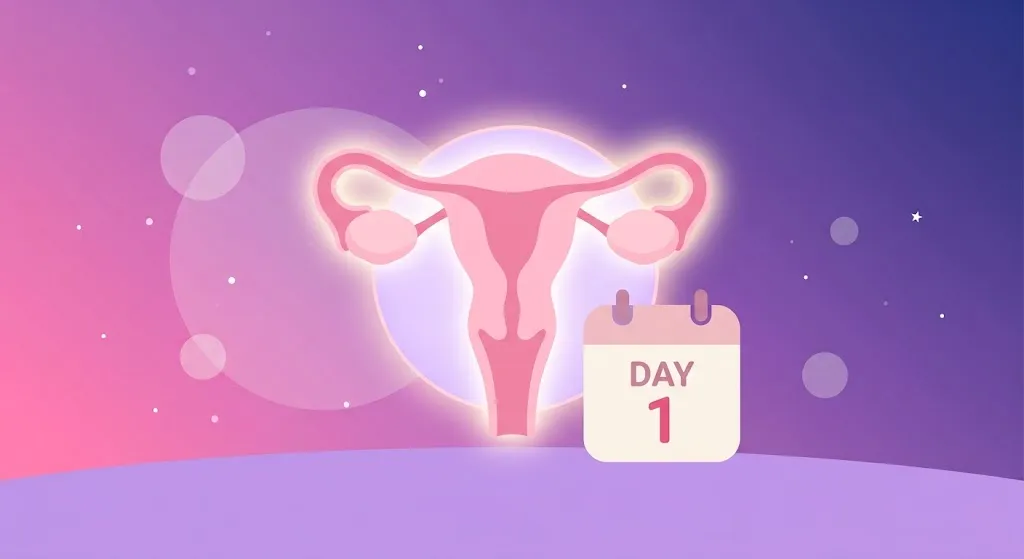
The follicular phase is one of the main phases of the menstrual cycle, alongside the luteal phase, with ovulation marking the turning point between them. During this phase, your ovaries prepare and grow a follicle that will eventually release an egg.
Here’s the part that trips a lot of people up: the follicular phase begins on day one of your period, not after it. As Cleveland Clinic explains, this phase starts on the first day of your period and runs until ovulation, and day one of menstrual bleeding is also counted as day one of the follicular phase. That’s why the follicular phase and the menstrual phase overlap for the first several days of your cycle: you’re bleeding and building a new follicle at the same time.
The reason the two overlap comes down to hormones. As oestrogen and progesterone drop off at the end of the previous cycle, the lining of the uterus breaks down and sheds (that’s your period), while at the same moment, falling hormone levels signal the pituitary gland to start releasing follicle-stimulating hormone (FSH) to kick off development of a new batch of follicles.
The follicular phase ends at ovulation, when a mature egg is released from the dominant follicle. Everything from day one of your period up to that release counts as the follicular phase, including the days after your bleeding stops, which is the part most people are actually curious about when they search for this topic.
Its length varies more than any other phase of the cycle. Menstrual cycle length varies significantly both within and between individuals, and this variation is mainly driven by differences in the length of the follicular phase, since the luteal phase (after ovulation) tends to stay fairly consistent at around two weeks. That’s why the follicular phase is the one that makes your overall cycle longer or shorter.
What Happens During the Follicular Phase After Your Period?
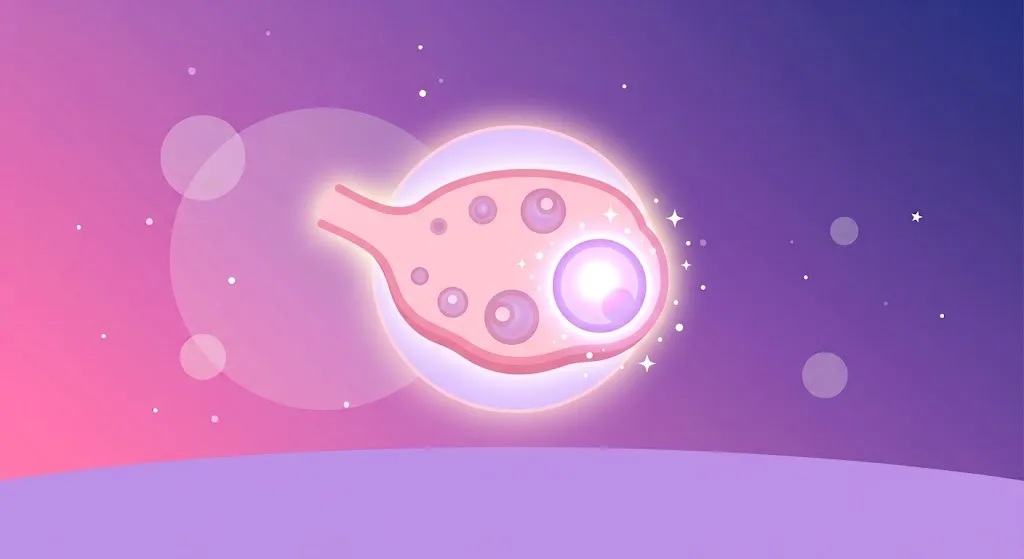
Once bleeding stops, the follicular phase is still very much underway, and this is where most of the visible groundwork for ovulation happens.
Follicle development. Inside your ovaries, a group of small fluid-filled sacs called follicles start to grow, each containing an immature egg. Over the following one to two weeks, one follicle usually becomes dominant and continues developing while the others stop growing.
Rising FSH. Follicle-stimulating hormone from the pituitary gland is what drives this follicle growth in the first place. FSH levels are typically higher in the earlier part of the follicular phase and gradually taper as one follicle takes the lead.
Rising oestrogen. As the dominant follicle grows, it produces increasing amounts of oestrogen. This rising oestrogen has two important jobs: it helps regulate the release of FSH and LH from the pituitary gland, and it signals the uterus to start rebuilding its lining.
Uterine lining rebuilding. This is sometimes called the proliferative phase from the uterus’s point of view. According to a clinical overview published on the NCBI Bookshelf, the endometrium undergoes closely related changes during this same window, which is why this stage of the cycle is also referred to as the proliferative phase. Essentially, the lining that was shed during your period starts to thicken again in preparation for a possible pregnancy later in the cycle.
Preparing for ovulation. As the dominant follicle matures and oestrogen continues to climb, the body is being primed for the LH surge that will eventually trigger ovulation, the event that marks the end of the follicular phase.
Follicular Phase Timeline
Cycles vary a lot from person to person, so treat this as a general pattern rather than a fixed schedule.
| Stage | What’s happening |
|---|---|
| Day 1 | Period begins, and this is also day one of the follicular phase |
| Early follicular phase | Menstrual bleeding may continue for several days while follicle growth quietly begins |
| Bleeding ends | Visible bleeding stops, but the follicular phase continues |
| Mid follicular phase | Oestrogen gradually rises; several follicles are developing |
| Late follicular phase | A dominant follicle emerges; oestrogen continues climbing; the uterine lining thickens |
| Ovulation approaches | An LH surge triggers final maturation of the egg |
| Ovulation | The egg is released, marking the end of the follicular phase |
It’s worth repeating: not everyone has a 28-day cycle, and the follicular phase doesn’t land on the same day for everyone. NHS guidance on periods notes that periods themselves commonly range from every 21 to every 35 days, and this natural variation carries through into when the follicular phase ends and ovulation happens. Some people ovulate earlier, some later, and this can even shift somewhat from one cycle to the next in the same person.
How Long Does the Follicular Phase Last?
The follicular phase is usually described as lasting somewhere around two weeks, but the range is wide. The Merck Manual notes that the follicular phase is the longest and most variable phase of the menstrual cycle, and other clinical sources place it anywhere from 13 to 21 days depending on the person.
A 28-day cycle with ovulation on day 14 is often used as a textbook example, but it shouldn’t be treated as the standard everyone should match. The menstrual cycle typically ranges from 21 to 35 days, with an average length of around 28 days, and plenty of healthy cycles fall outside that range entirely.
Several things can affect how long your follicular phase runs:
- Age, particularly in the years around menarche and again approaching perimenopause
- Natural month-to-month variation, even in the same person
- Stress, illness, or significant changes in routine, sleep, or weight
- Certain underlying health conditions affecting ovulation
- Hormonal contraception, which changes the usual hormonal pattern
Because the follicular phase is the variable part of the cycle, you genuinely can’t predict ovulation with confidence just by counting days from a “typical” cycle length. This is one reason calendar-based methods alone aren’t reliable for identifying fertile days.
Follicular Phase Symptoms After Your Period
[Suggested image 2: simple line illustration of cervical mucus changes across the cycle. Alt text: “follicular phase symptoms after period cervical mucus”]
Some people notice physical changes as they move through the follicular phase after their period ends, though this varies widely and plenty of people don’t notice much at all.
Cervical mucus and vaginal discharge. As oestrogen rises, cervical mucus commonly shifts from dry or sticky in the early follicular phase to creamier, then increasingly clear and stretchy as ovulation approaches.
Energy or mood. Some people report feeling more energetic or in a better mood as oestrogen climbs through the follicular phase, though this can vary considerably and shouldn’t be treated as a guarantee, since research in this area is mixed and individual experience differs.
Skin changes. Some people notice clearer skin in the days following their period, which may relate to hormonal shifts, though skin can be influenced by many other factors too.
Basal body temperature (BBT). Body temperature tends to stay relatively low and stable through the follicular phase, then rises slightly after ovulation, which is actually more useful for confirming ovulation happened than for predicting it in advance.
Other differences. Changes in appetite, digestion, sleep, or general sense of wellbeing are sometimes reported, but these are highly individual and not universal.
The key point: there’s no single “normal” set of follicular phase symptoms. Some people notice several of these changes clearly cycle after cycle, others notice almost nothing, and both are within the range of typical.
What Happens to Your Hormones During the Follicular Phase?
Four hormones are the main players during this part of the cycle, and they work as a feedback loop rather than in isolation. MedlinePlus, a resource of the U.S. National Library of Medicine, describes menstruation and the wider cycle as being driven by this changing hormonal pattern each month.
| Hormone | What it does during the follicular phase |
|---|---|
| FSH (follicle-stimulating hormone) | Released by the pituitary gland; stimulates a group of ovarian follicles to start growing |
| Oestrogen | Produced by the growing follicle; rises steadily, thickens the uterine lining, and helps trigger the LH surge |
| LH (luteinising hormone) | Stays relatively low for most of the phase, then surges sharply near the end to trigger ovulation |
| Progesterone | Remains low throughout the follicular phase, rising only after ovulation |
In short: FSH gets follicle growth started, oestrogen builds as the dominant follicle matures, and once oestrogen reaches a high enough level, it triggers the LH surge that causes ovulation. Progesterone largely stays in the background until after the egg is released.
Follicular Phase and Ovulation
The entire follicular phase is essentially building toward one event: ovulation.
As the dominant follicle grows, it produces more oestrogen. Once oestrogen levels stay elevated for long enough, this triggers a sharp spike in luteinising hormone, known as the LH surge. This surge is what actually causes the final maturation and release of the egg from the follicle.
In an average cycle, the LH surge tends to start around cycle day 12 and can last about 48 hours, though this timing shifts depending on how long someone’s follicular phase runs. Once the egg is released, the follicular phase is officially over and the luteal phase begins.
Because the follicular phase itself varies so much in length, ovulation timing varies right along with it. Someone with a shorter follicular phase will ovulate earlier in their cycle, while someone with a longer one will ovulate later, which is exactly why generic day-counting isn’t a reliable way to predict ovulation for everyone.
Can You Ovulate Soon After Your Period?
Yes. For some people, ovulation can happen relatively soon after bleeding ends, particularly if they have a naturally shorter cycle or a shorter follicular phase.
If someone’s follicular phase runs on the shorter end, ovulation could occur not long after their period finishes. There’s no fixed number of “safe” days after a period that applies to everyone, because follicular phase length differs so much from person to person and even cycle to cycle.
This matters for pregnancy risk. According to Tommy’s, the UK pregnancy charity, sperm can survive for around seven days inside the body, which means sperm from sex that happened while a period was still going, or shortly after it ended, could potentially still be present when an early ovulation occurs. Because of this overlap, pregnancy is possible from sex occurring relatively soon after a period, and it is not a guaranteed “safe” time, especially for anyone with shorter or irregular cycles.
If you’re trying to avoid or achieve pregnancy, calendar guesses alone aren’t dependable. Tracking your own patterns over several cycles, alongside other fertility signs, gives a more realistic picture than assuming a fixed number of “safe” days.
Is the Follicular Phase the Fertile Window?
These two terms get mixed up often, so it’s worth separating them clearly.
The follicular phase is the entire stretch from day one of your period through to ovulation, and it can last anywhere from around one to three weeks. The fertile window is much narrower: it’s the handful of days in that phase when pregnancy is actually possible.
The fertile window includes the five days before ovulation, the day of ovulation itself, and the day after, giving most people somewhere around five to seven fertile days per cycle. This window sits toward the end of the follicular phase, not across the whole thing.
So while the entire follicular phase is technically the build-up to ovulation, only the last several days of it fall within the fertile window. The earlier part of the follicular phase, particularly while you’re still bleeding, carries a lower likelihood of pregnancy, though as covered above, it isn’t a guaranteed “off” period either, especially with shorter cycles.
How to Track Your Follicular Phase
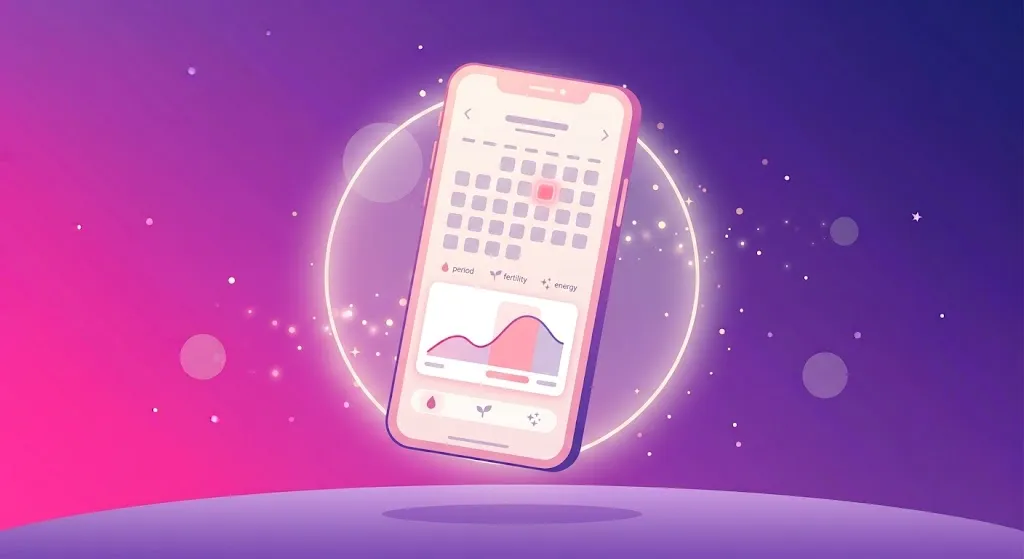
[Suggested image 3: screenshot-style mockup of a cycle tracking calendar. Alt text: “tracking the follicular phase after period with a cycle app”]
Because the follicular phase varies so much, tracking it over time is far more useful than relying on a generic 28-day assumption.
A few approaches people commonly combine:
- Period tracking. Logging the start date of each period helps establish your overall cycle length and, over time, roughly where your follicular phase tends to fall.
- Cervical mucus observations. Noting daily changes in cervical mucus can help identify the shift toward more fertile-quality mucus as ovulation approaches.
- Basal body temperature. Taking your temperature each morning before getting up can help confirm, after the fact, roughly when ovulation occurred in a given cycle.
- Ovulation predictor kits. These test urine for the LH surge and can help flag when ovulation is likely to happen in the next 24 to 48 hours.
- Recording symptoms. Logging things like mood, skin changes, or discharge alongside your cycle day can help you notice your own personal patterns over time.
No single method predicts ovulation with certainty, but combining a few of them across several cycles tends to give a clearer, more personalised picture than any one method alone. MyOvly can help you record your periods, symptoms and cycle patterns in one place, making it easier to review changes across several cycles.
What Can Affect the Length of the Follicular Phase?
A number of factors are associated with a longer or shorter follicular phase, though none of them affects everyone the same way.
- Age. Follicular phase length tends to shift in the years around first getting periods and again as someone approaches perimenopause.
- Natural variation. Even within one person, follicular phase length can shift somewhat from cycle to cycle without anything being “wrong.”
- Hormonal changes. Conditions affecting FSH, LH, or oestrogen levels can lengthen or shorten this phase.
- Stress. Some research links significant physical or psychological stress with changes in cycle timing, though the relationship isn’t the same for everyone.
- Certain health conditions. Conditions such as polycystic ovary syndrome (PCOS) or thyroid disorders can affect follicular development and timing.
- Perimenopause. As ovarian function naturally changes with age, follicular phase length commonly becomes more variable.
- Hormonal contraception. Hormonal birth control methods work partly by altering or suppressing the usual hormonal pattern of the follicular phase.
None of these factors guarantees a particular outcome on their own. They’re associations, not fixed rules, and the same factor can affect different people quite differently.
When Should You Speak to a Healthcare Professional?
Cycle variation is normal, but certain changes are worth discussing with a doctor or nurse rather than waiting them out.
- A noticeable, ongoing change from your usual cycle pattern
- Very irregular periods over several months
- Periods stopping unexpectedly (when not due to pregnancy or a known cause)
- Persistent or severe pelvic pain
- Very heavy bleeding, or bleeding that soaks through protection quickly
- Ongoing concerns about ovulation or fertility
- Any other symptoms that are worrying you or affecting your daily life
A healthcare professional can look into what’s going on for you specifically, since this article can’t and isn’t meant to diagnose anything.
Frequently Asked Questions
1. Does the follicular phase start after your period?
↑2. What happens during the follicular phase after your period?
↓3. How long after your period is the follicular phase?
↓4. Can you ovulate right after your period?
↓5. Can you get pregnant during the follicular phase?
↓6. What are common follicular phase symptoms?
↓7. Does the follicular phase change every month?
↓8. How can I track my follicular phase?
↓9. What hormone is dominant during the follicular phase?
↓10. When does the follicular phase end?
↓Follicular vs Ovulation vs Luteal Phase, at a Glance
| Phase | Roughly when | What’s happening |
|---|---|---|
| Menstrual phase | Roughly days 1 to 5 (overlaps with early follicular) | Uterine lining sheds; bleeding occurs |
| Follicular phase | Day 1 to ovulation (roughly 1 to 3 weeks, varies widely) | Follicles develop; oestrogen rises; uterine lining rebuilds |
| Ovulation | A single day, near the end of the follicular phase | Mature egg is released from the dominant follicle |
| Luteal phase | From ovulation to the next period (usually around 14 days) | Progesterone rises; uterine lining prepares for possible pregnancy |
Conclusion
The follicular phase after period bleeding ends isn’t a separate stage. It’s the continuation of a phase that technically began on day one of your period. Once bleeding stops, follicles keep developing, oestrogen keeps rising, and the uterine lining rebuilds as your body works toward ovulation.
Exactly how long this takes varies a lot from person to person, and even cycle to cycle, which is why timing based on a generic 28-day assumption isn’t reliable. Tracking your own cycle over several months, through period dates, symptoms, cervical mucus, or basal body temperature, tends to give a far clearer picture of your personal pattern than any calendar rule.
Medical disclaimer: This article is for general educational purposes and is not a substitute for personalised medical advice. If you have concerns about your menstrual cycle, symptoms, fertility or reproductive health, speak with a qualified healthcare professional.