
Can you ovulate soon after your period? Yes, you can, although it is not the usual pattern. Most people ovulate somewhere in the middle of their cycle, but in a short cycle, ovulation can happen around day 7 or 8, which may be only a day or two after bleeding stops.
Before we go further, one counting rule matters a lot. Day 1 of your cycle is the first day of bleeding, not the day your period ends. Mixing these two up is the main reason so many women feel confused about when they ovulate.
If you have been asking yourself “can you ovulate soon after your period” because your discharge or an ovulation test surprised you, you are not alone. In this guide, you will see how early ovulation can really happen, how your cycle length changes the timing, the signs to watch for, and what it means if you are trying to get pregnant or trying to avoid it. If you want a quick refresher first, our guide to the four menstrual cycle phases explains the basics.
Can You Ovulate Soon After Your Period? The Short Answer

The short answer is yes, especially if your cycles are short or your periods are long. Ovulation is linked much more closely to your next period than to your last one. It usually happens about 10 to 16 days before your next period starts, according to the NHS.
That simple fact explains everything. If your whole cycle is only 21 days long, there is not much room between the end of one period and ovulation. Take away a 7 day period and a two week second half of the cycle, and ovulation lands right after bleeding stops.
So when women ask “can you ovulate soon after your period,” the honest answer depends on two numbers: how long your cycle is and how many days you bleed. For the general timeline in a typical cycle, see our article on how many days after your period you ovulate. This article focuses on the early side of that picture.
What’s the Earliest You Can Ovulate?
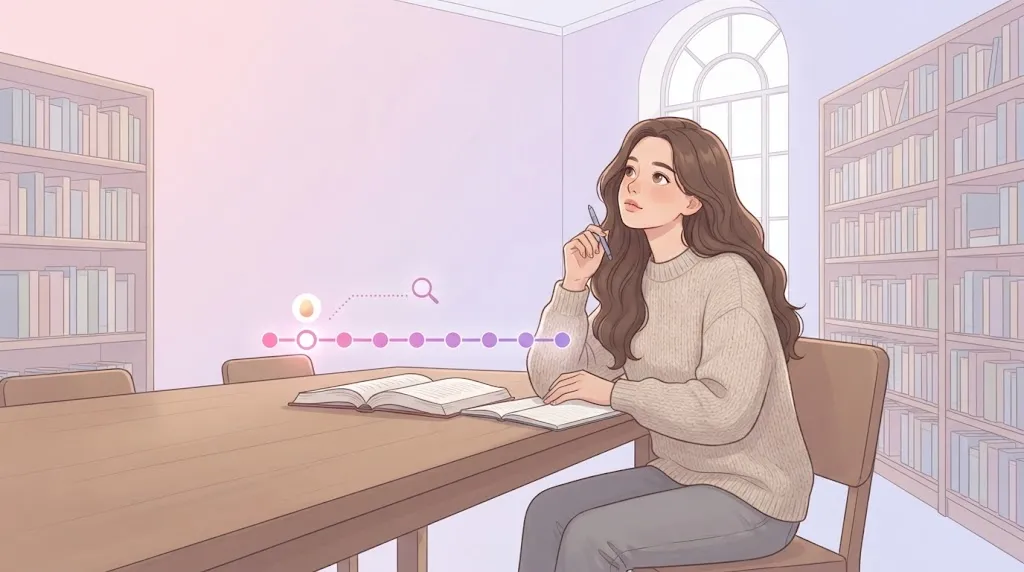
Anyone who asks “can you ovulate soon after your period” usually wants a day number. There is no official “earliest day” that every doctor agrees on. Different websites say day 6, day 7, day 8 or day 10, which is why the topic feels so confusing. The best answer comes from real cycle data rather than a single number.
A landmark BMJ study of 221 women tracked ovulation with daily hormone tests. Researchers found that ovulation happened anywhere from day 8 to day 60 of the cycle. They also found that about 2 percent of women were already in their fertile window by day 4, and about 17 percent by day 7.
A much larger study of over 600,000 cycles tracked through an app found that the first half of the cycle, from period to ovulation, usually lasted between 10 and 30 days, with an average of about 17 days.
Putting this together, here is a fair summary:
- For most people, ovulation does not happen before about day 10.
- In short cycles, it can happen around day 7 or 8.
- Your fertile days can start even earlier, because sperm can survive for several days and wait for the egg.
That last point is the one most people miss. Ovulation day and the first fertile day are not the same thing.
How Cycle Length and Period Length Change the Timing
The quickest way to answer “can you ovulate soon after your period” for your own body is to look at your cycle length. The table below shows typical estimates. It works by taking your cycle length and subtracting a second half of about 12 to 14 days, which is roughly what large studies report. Your own body may vary by a few days in either direction.
| Cycle length | Likely ovulation day | Fertile window | If your period lasts 5 days, you ovulate about | If your period lasts 7 days |
|---|---|---|---|---|
| 21 days | Day 7 to 9 | Day 2 to 9 | 2 to 4 days after bleeding stops | 0 to 2 days after bleeding stops |
| 24 days | Day 10 to 12 | Day 5 to 12 | 5 to 7 days after | 3 to 5 days after |
| 28 days | Day 14 to 16 | Day 9 to 16 | 9 to 11 days after | 7 to 9 days after |
| 32 days | Day 18 to 20 | Day 13 to 20 | 13 to 15 days after | 11 to 13 days after |
| 35 days | Day 21 to 23 | Day 16 to 23 | 16 to 18 days after | 14 to 16 days after |
Typical estimates for anyone asking can you ovulate soon after your period. Cycle day 1 is the first day of bleeding.
The American Pregnancy Association gives a similar example: with a 21 day cycle and 7 days of bleeding, ovulation could fall right after your period. Women who have heavy or long periods are more likely to notice this overlap.
Can You Ovulate 3 Days After Your Period?
Yes, if your cycle is short. This is the most common version of the question “can you ovulate soon after your period” that women search for. In a 21 to 23 day cycle with a 5 day period, ovulation around 3 days after bleeding stops fits the typical pattern. In a 28 day cycle, it would be unusual but not impossible.
Can You Ovulate Early on a 28 Day Cycle?
It can happen, because a 28 day cycle is only an average, not a fixed schedule. In the BMJ study, only about 10 percent of women with 28 day cycles ovulated exactly 14 days before their next period. A single cycle with ovulation on day 10 or 11 is well within normal variation.
Can You Ovulate 8 Days After Your Period?
Very often, yes. If your period lasts 5 days and you have a 26 to 28 day cycle, ovulation around 8 or 9 days after bleeding stops is quite typical. For shorter cycles, 8 days after your period may even be on the later side.
Why You Can Ovulate Soon After Your Period: Follicular vs Luteal Phase
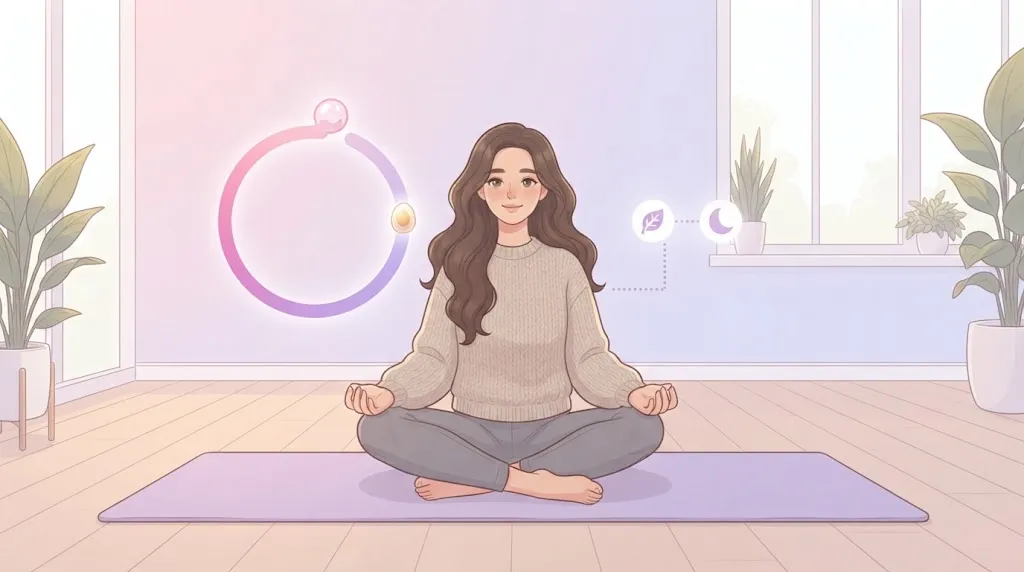
Your cycle has two halves that behave very differently, and this is the real reason the answer to “can you ovulate soon after your period” is yes. Understanding these halves makes the whole question much simpler.
The first half is the follicular phase after your period. During this phase, follicle stimulating hormone (FSH) helps several follicles grow in your ovaries. One becomes dominant and produces more and more estrogen. When estrogen peaks, your brain releases a surge of luteinizing hormone (LH), and that LH surge releases the egg.
The second half is the luteal phase. After ovulation, the empty follicle makes progesterone, which prepares the womb lining. This is also the phase behind luteal phase changes like weight gain, bloating and stronger period cravings.
The key difference is how much each half varies. The large app study found the luteal phase averaged about 12 days and was relatively stable, while the follicular phase varied a lot from person to person and cycle to cycle. So when your cycle is short, it is usually because the follicular phase is short, which means you ovulate early.
What Causes Early Ovulation?

Early ovulation is often just normal variation. Still, if you keep asking “can you ovulate soon after your period” because it happens to you often, a few factors make it more likely.
Age and Ovarian Reserve
Cycles tend to get a little shorter with age. The same large study found cycle length dropped by about 0.18 days per year between ages 25 and 45, and most of that change came from a shorter follicular phase. Doctors link this to changes in the number of eggs left in the ovaries, called ovarian reserve.
Perimenopause
Perimenopause is the transition before menopause. Cleveland Clinic notes it usually begins in the mid 40s but can start in the mid 30s. Cycles may become shorter or more irregular, and pregnancy is still possible during this time.
Can Stress Make You Ovulate Early?
It is uncommon. Stress does affect the hormones that control ovulation, but it usually delays ovulation rather than bringing it forward. That is why stress is a common reason behind reasons your period is late. You can read more about how stress can delay your period in our separate guide.
Natural Cycle to Cycle Variation
Even women with very regular periods do not ovulate on the same day every month. One shorter cycle can simply mean you ovulated a few days earlier than usual. It is also one of the most common explanations for why your period came early.
After Birth and While Breastfeeding
After having a baby, ovulation can return before your first period. This means you can be fertile without any warning bleed, which surprises many new mothers.
Signs of Early Ovulation and How to Track Them
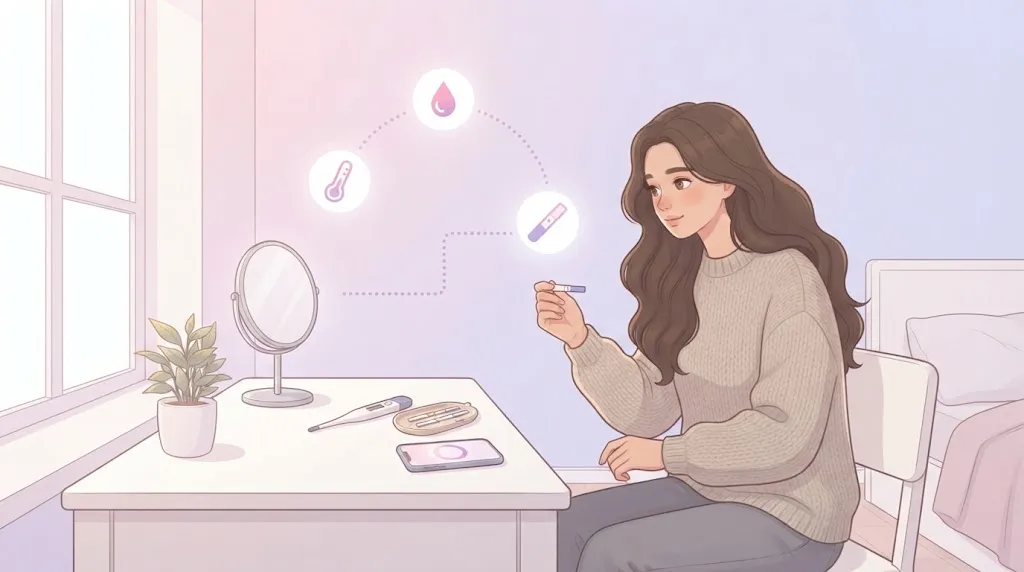
If you are wondering can you ovulate soon after your period in your own cycle, your body will usually tell you. The signs of early ovulation are the same as the usual common signs of ovulation. The difference is simply when they appear. If you notice them only a few days after your period ends, ovulation is likely coming early in that cycle.
Here is what to look for, based on signs listed by Cleveland Clinic:
- Egg white cervical mucus. Clear, wet, stretchy discharge soon after bleeding stops is the most practical early clue.
- A positive LH test earlier in the cycle than you expected.
- A small rise in basal body temperature that stays up for at least three days. This confirms ovulation after it happens.
- One sided lower belly pain. This is often called ovulation pain, and it usually lasts a few minutes to a day or two.
- Light spotting, tender breasts or a higher sex drive.
One more thing to know: light ovulation spotting can sometimes be mistaken for a short period. If you had a very light “period” followed by early ovulation signs, the bleeding may actually have been spotting.
How to Track Early Ovulation
Can you ovulate soon after your period every month, or was it a one time thing? Tracking for two or three cycles will tell you for sure.
- Log the first day of every period. A cycle tracking app such as MyOvly can calculate your cycle length automatically.
- Start checking discharge as soon as bleeding stops. Note when it turns clear and stretchy.
- Begin LH tests earlier. With short cycles, start testing around day 6 or 7 instead of day 10. MedlinePlus explains how ovulation tests work and how to read them.
- Take your temperature each morning before getting out of bed, and look for a rise that holds for three days.
- Compare cycles. After a few months, you will see whether early ovulation is your usual pattern or a one time event.
Can You Get Pregnant Soon After Your Period?

This is the real reason most women ask can you ovulate soon after your period. Yes, you can get pregnant soon after your period, although it is not very likely for most women. The NHS says pregnancy soon after a period is possible, especially if you ovulate early or have a short cycle.
The reason is sperm survival. The egg only lives about 12 to 24 hours after release, but sperm can survive inside the body for up to 5 days, and in rare cases up to 7. So unprotected sex at the end of your period can lead to pregnancy if you ovulate a few days later.
Can You Get Pregnant the First Day After Your Period?
It is possible but unlikely. The chance rises if your cycle is around 21 to 24 days, if your period lasts 6 or 7 days, or if you ovulate early that month. If you are not trying for a baby, using contraception every day of your cycle is the safest choice.
Is Any Day Truly Safe?
Not completely. The BMJ study found that only about 30 percent of women had their whole fertile window between days 10 and 17, the days often called the “fertile week.” Even women with regular cycles had a small chance, about 1 to 6 percent, of being fertile on the day their next period was due.
This is why the “safe days” idea is not reliable on its own. If your period is late after sex around the end of your period, our guides on a period late but not pregnant and a period one week late with a negative test can help you work out next steps.
When to See a Doctor

For most women, the answer to can you ovulate soon after your period is a harmless yes. Early ovulation is usually not a problem, but speak to a doctor or gynaecologist if you notice any of these:
- Your periods regularly come less than 21 days apart
- Your cycle length changes a lot from month to month
- Periods last more than 8 days or you soak a pad every one to two hours
- You bleed between periods
- Ovulation pain is severe or lasts more than three days
- You have been trying to conceive for a year, or for six months if you are 35 or older
Mayo Clinic also advises a checkup if your cycles become irregular after being regular. It helps to know how late a period can be before it counts as a concern. Take your cycle notes or app history to the appointment.
The Bottom Line
So, can you ovulate soon after your period? Yes. It is not the average pattern, but it is a normal possibility, especially with short cycles, long periods, older age or perimenopause. Ovulation before day 10 is uncommon, it can happen around day 7 or 8, and fertile days can begin even earlier because sperm survive for several days.
The best way to answer can you ovulate soon after your period for your own body is to track a few cycles with your period dates, discharge, LH tests and morning temperature. Once you see your numbers, you can plan for pregnancy or avoid it with far more confidence.
FAQs About Ovulating Soon After Your Period
1. What happens if I ovulate right after my period?
↑2. What’s the soonest you can ovulate after your period?
↓3. Why do I ovulate so early after my period?
↓4. What are signs of early ovulation?
↓5. Is ovulation on day 9 too early?
↓6. Can I still get pregnant if I ovulated early?
↓7. Can I get pregnant 1 day after my period ends?
↓8. Are you highly fertile after a period?
↓9. When is the lowest chance of getting pregnant?
↓10. How many days after my period do I ovulate?
↓Medical Disclaimer
This article is for general education only and is not a substitute for medical advice, diagnosis or treatment. Every cycle is different. If you have irregular or very short cycles, severe pain, unusual bleeding or trouble getting pregnant, please speak with a doctor or a qualified healthcare provider.
References & Further Reading
- NHS: Periods and Fertility in the Menstrual Cycle
- BMJ: Wilcox AJ, Dunson D, Baird DD. The Timing of the Fertile Window in the Menstrual Cycle (2000)
- npj Digital Medicine: Bull JR et al. Real World Menstrual Cycle Characteristics of More Than 600,000 Menstrual Cycles (2019)
- American Pregnancy Association: Ovulation FAQs
- Cleveland Clinic: Ovulation
- Better Health Channel: Ovulation Pain
- MedlinePlus: Ovulation Home Test
- Mayo Clinic: Menstrual Cycle: What’s Normal and What’s Not